
This exhibition by The Phoebus Foundation takes you back to a time when flowers symbolized luxury, desire and transience. The scenography by fashion designer Walter Van Beirendonck creates a stimulating total experience.
Masterpieces
Featuring paintings and objects from the collection of The Phoebus Foundation—including a remarkable cabinet of curiosities—the exhibition reveals how flowers in the seventeenth century came to symbolize beauty, science, desire, and the transience of life. Masterpieces by artists such as Jan Brueghel the Elder, Clara Peeters, Anna Maria Janssens, and Jan Davidsz. de Heem lead visitors through lavish bouquets, extravagantly expensive tulips, swarming insects, and extraordinary curiosities. What begins as an ode to creation gradually unfolds into a story of curiosity, trade, experimentation, and human desire.
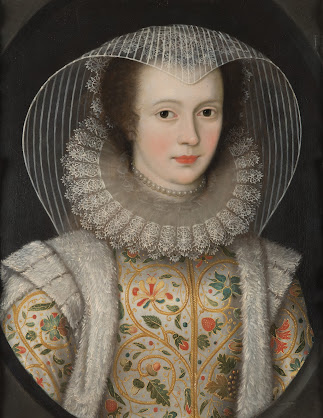
Marcus II Gheeraerts (1561/1562-1635/1636), Portrait of Frances Bell, Lady Dering, ca. 1596-1603
© The Phoebus Foundation, Antwerpen
Walter Van Beirendonck
The exhibition design by Antwerp fashion designer Walter Van Beirendonck creates a dialogue between seventeenth-century art and contemporary fashion and design, all centered on a floral theme. Expect oversized flowers, specially designed carpets, and creations by Viktor&Rolf, Dries Van Noten, Comme des Garçons, Richard Quinn, and Van Beirendonck himself. One of the exhibition’s highlights is a cabinet of curiosities inspired by sixteenth-century curiosity cabinets, filled with remarkable natural history objects and unexpected oddities. In this way, Garden of Earthly Delights – The Seventeenth Century in Bloom becomes not only an exhibition about flowers, but also about collecting, observing, and marveling.
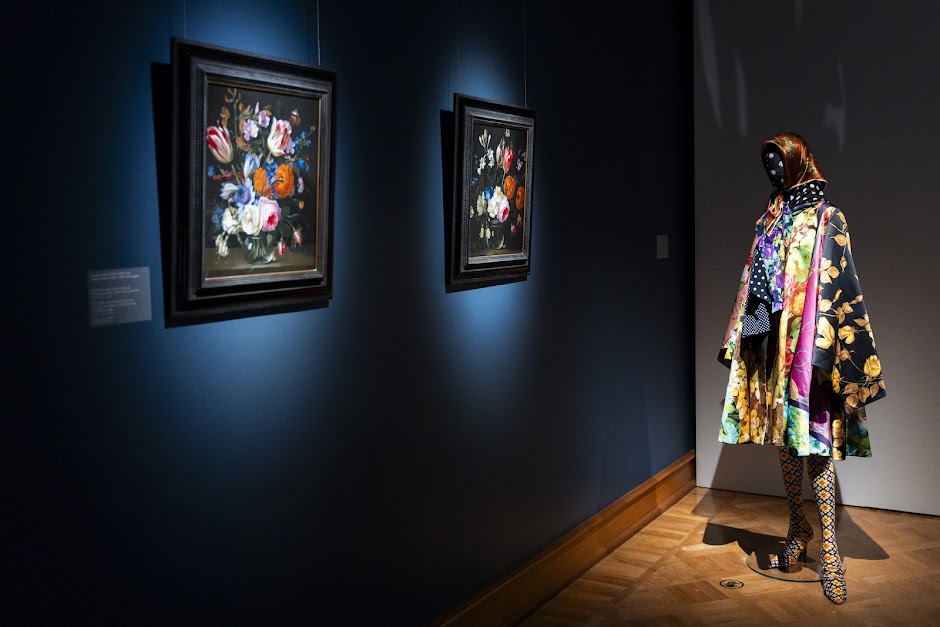
Scenography Garden of Delights, detail by Richard Quinn
© The Phoebus Foundation, Antwerpen
The Phoebus Foundation
Garden of Earthly Delights – The Seventeenth Century in Bloom is an exhibition by The Phoebus Foundation, curated by Dr. Katharina Van Cauteren. It is the result of many years of research led by Sven Van Dorst, head of the foundation’s conservation studio. Numerous floral still lifes underwent in-depth technical analysis, leading to remarkable discoveries: hidden compositions beneath layers of paint, painted insects incorporating real butterfly wings, and innovative painting techniques that only became fully visible centuries later. The findings of this research are presented in the exhibition and in the accompanying publication Seven Carnations, Seven Roses: The Art of Flower Painting in the Low Countries (1600–1700), available from Hannibal Books.