
The precarious pile of books seems set to tumble off the smoldering bonfire. You can almost hear the crackle of the flames catching, smell the acrid billowing smoke pricking at your eyes, so skillfully have the weavers rendered it in wool, silk and silver-wrapped threads. In a gloriously confident design, the mayhem is anchored by the commanding, balanced figure of Saint Paul – unquestioningly secure in the belief of his convictions – contrasting with the hurly-burly flurry of converts, rushing to empty baskets of books, decades of scholarship, at the pyre. This is a tapestry to stop you in your tracks. Currently in a private collection but on view at The Met in The Tudors exhibition in 2022-23, it represents Saint Paul Directing the Burning of the Heathen Books (fig. 1). Designed by the Antwerp-based artist Pieter Coecke van Aelst around 1535, commissioned by England’s King Henry VIII (himself a fervent book-burner), it was woven in Brussels, probably under the direction of Paulus van Oppenem.
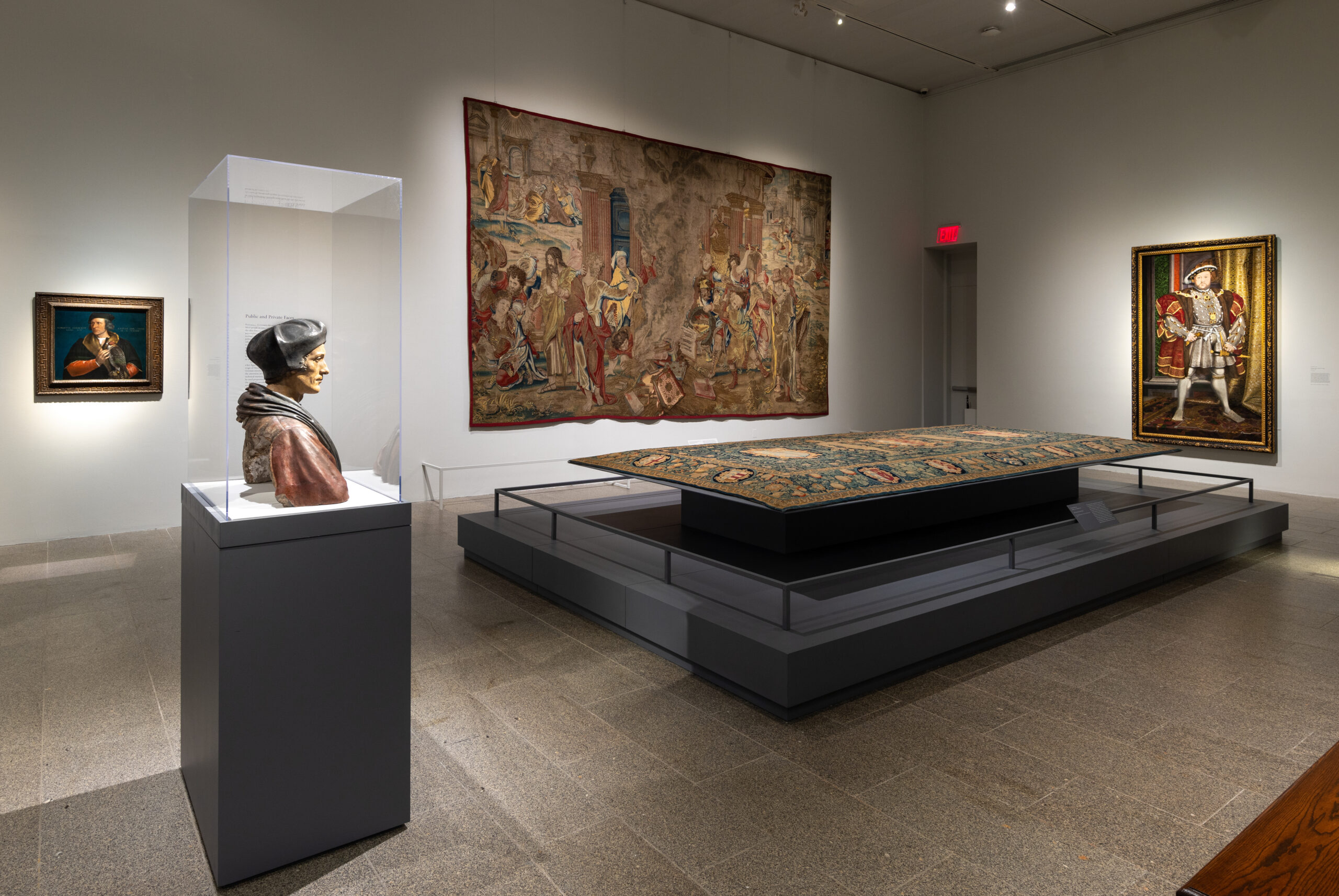
Fig. 1. Saint Paul Directing the Burning of the Heathen Books, in The Tudors: Art and Majesty in Renaissance England, 3 October 2022 – 8 January 2023
Every CODART curator knows that there is something at once comforting and terrifying encountering a historic work of art. Comforting in the perspective it brings, embodying centuries of experience often more grievous even than 21st century violence, and a reminder of the beauty and joy to which artifice can aspire. Terrifying, though, in its vulnerability: one flood, leak, fire, vandal, bomb – or simply too many years’ exposure to a patch of sunlight – wiping it from existence. It is this seesaw of visceral experience and responsibility which keeps alive (for me, at least) the thrill of being a curator.

Elizabeth Cleland
My Cambridge childhood was punctuated by biannual visits to the Belgian side of the family, with trips to Gruuthuse and the Groeningemuseum as much part of the itinerary as poffertjes and boat rides. Years’ later earning B.A., M.A. and Ph.D. at London’s Courtauld Institute of Art, where inspirational seminars by Lorne Campbell and, above all, Susie Nash built upon my childhood nostalgia, I focused on fifteenth and sixteenth century Netherlandish tapestry design, by way of Rogier van der Weyden’s lost Justice paintings for Brussels town hall. A post-doctoral fellowship at the Metropolitan Museum of Art and research positions at the Courtauld Gallery and then The Met’s Antonio Ratti Textile Center followed. In 2008, I was appointed assistant curator in The Met’s department of European Sculpture and Decorative Arts, taking responsibility for the museum’s post-medieval tapestries.
The Met’s European tapestry collection numbers over 150 tapestries dating pre-1500 (classified as Medieval in the museum’s curatorial system), and almost 300 post-1500 tapestries (under my departmental purview). Our holdings largely reflect America’s Gilded Age collecting when, guided by canny dealers like Seligmann, the Duveens and Mitchell Samuels, wealthy bankers and industrialists emulated European aristocracy, acquiring the tapestries sold from their collections. In 1937, the oil magnate John D. Rockefeller, for example, gifted to The Met the Hunts of the Unicorn tapestries which had decorated his study for the preceding fourteen years. The mid sixteenth century Story of Mercury and Herse – with provenance to the dukes of Medinaceli in Spain but bequeathed to The Met by the banker George Blumenthal – was probably designed by the Italian Giovanni Battista Lodi da Cremona but woven in Brussels under the direction of Willem de Pannemaker; its quality rivals anything in the Habsburg-inherited Patrimonio Nacional or Kunsthistorisches Museum.
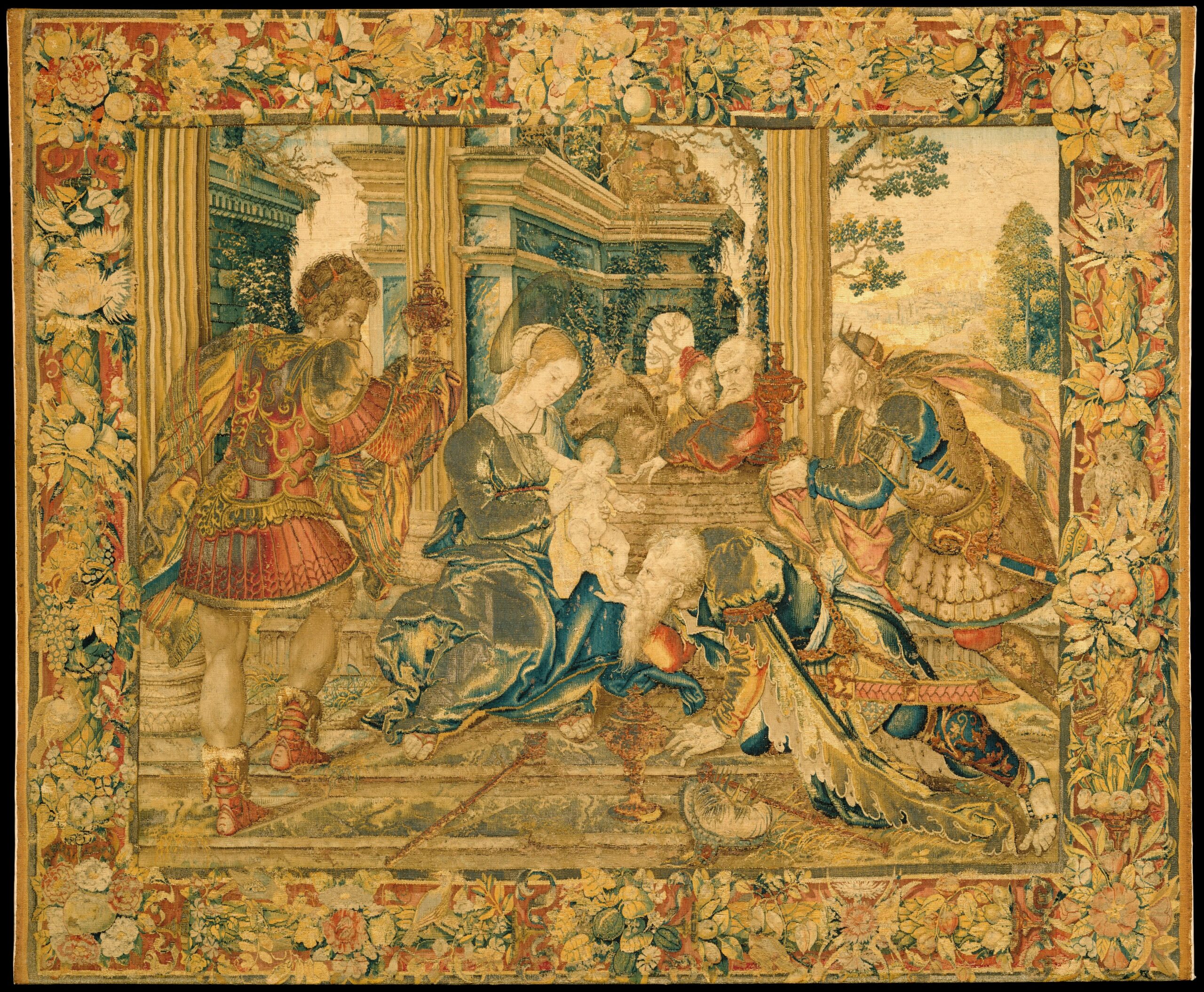
Fig. 2. Adoration of the Magi tapestry, ca. 1530. Wool, silk, silver, silver-gilt threads
Metropolitan Museum of Art, Bequest of Benjamin Altman, 1913 (14.40.706)
The miniature Adoration of the Magi (fig. 2), recognizable from Bernard van Orley’s better-known painting in the Philadelphia Museum of Art, is distinguished by its sumptuous raw materials, heavy with precious metal-wrapped threads, and woven with rare virtuosity signifying the most admired Brussels’ production. (Three of my early articles – “Small-scale devotional tapestries” parts 1 and 2 in Studies in the Decorative Arts, 2009, and “Ensconced behind the arras” in Unfolding the textile medium, 2011 – explore this transportative appeal of tapestries’ physical characteristics in early modern devotional practice.) Van Orley’s prowess as a tapestry designer is further appreciable in The Met’s collection in the Ages of Man, possibly made for Margaret of Austria, as well as in two hangings, August and October, from his Medallion Months. By van Orley’s younger contemporary, and possibly one-time collaborator, Pieter Coecke van Aelst, is Gluttony from his highly successful Seven Deadly Sins series, designed around 1532-34; his distinctive hand is also recognizable in the Story of Iphigenia, a series first owned by François 1er. Rubens’ and Jordaens’ primacy as seventeenth-century tapestry designers are woefully missing from our holdings (too bold perhaps to appeal to New York’s early twentieth century collectors and now too rare on the market), but Flemish Baroque is present in a partial edition of Antwerp painter Justus van Egmont’s brassy Anthony and Cleopatra set, woven in the Brussels’ workshops of Jan van Leefdael and Geraert van der Strecken around 1650-77.
Acquisitions keep the collection flourishing. In 1998, my predecessor Tom Campbell bought the Triumph of Fame woven for Isabella the Catholic in 1502-4. The acquisition of which I am most proud is Honor (fig. 3) from Erard de la Marck’s edition after Charles V’s Honores (which remains in the Patrimonio Nacional), likely conceived in broad strokes by Bernard van Orley. A thrilling opportunity to bring a truly massive Brussels tapestry into our galleries, its powerful composition pits ordered ranks of the honorable from legend and history against a – far more engaging – riot of dishonorable protagonists besieging Honor’s citadel.
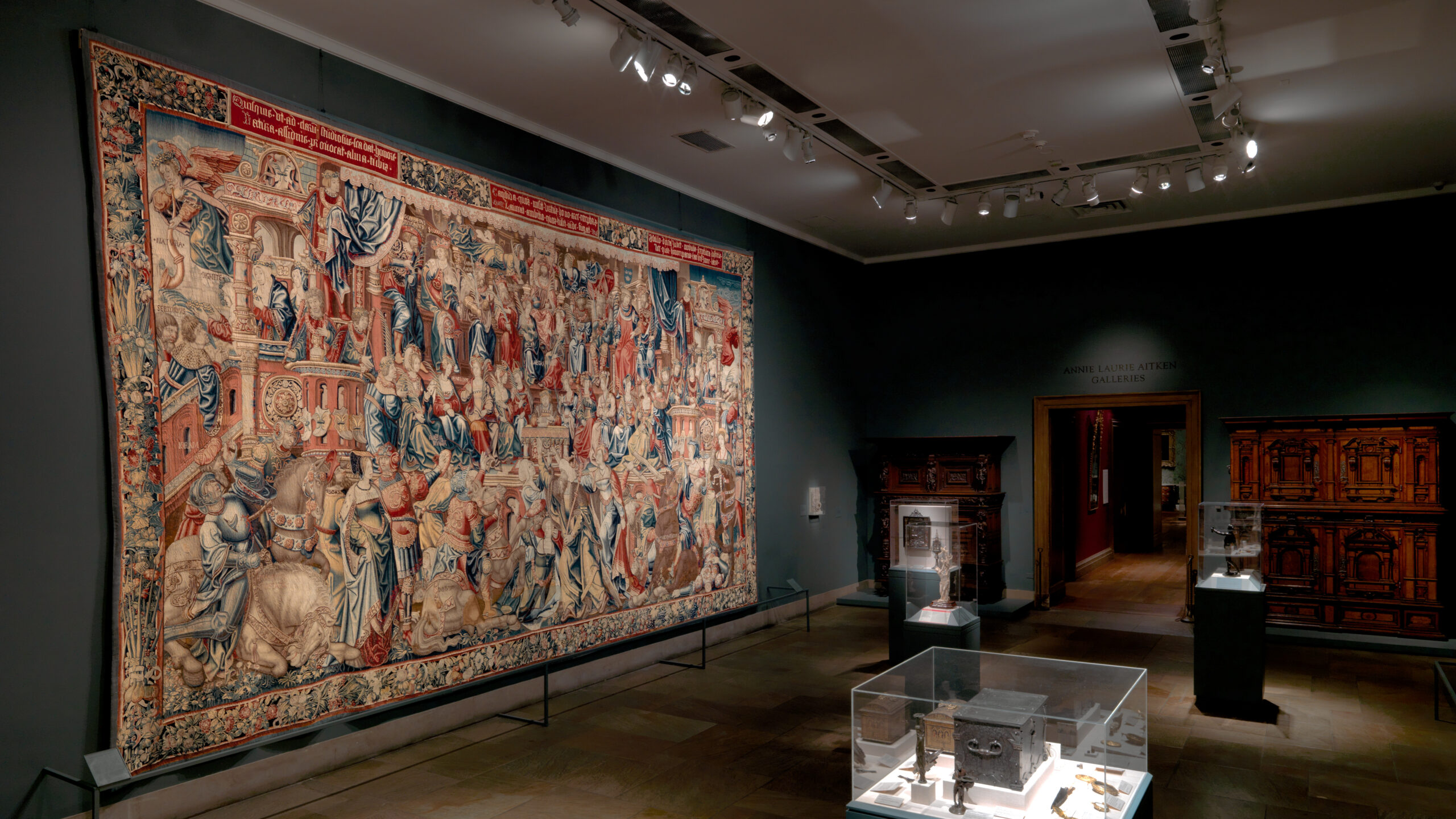
Fig. 3. Honor tapestry, 1525-32. Wool and silk
Metropolitan Museum of Art, Purchase, 2014 Benefit and Director’s Funds, several members of The Chairman’s Council Gifts, Brooke Russell Astor Bequest, Ambassador and Mrs. W. L. Lyons Brown, Mr and Mrs. Richard L. Chilton Jr., and Josephone Jackson Foundation Gifts, 2015 (2015.396)
In 2019, my purview expanded from tapestries to all post-medieval European textiles at The Met- over 18,000 holdings! The collection includes flat textiles (from Italian velvets and French silks to British printed cottons); fans; and three-dimensional garments (orthodox and catholic religious vestments and European regional dress, including a small but fine group of Oorijzers from Friesland and Zeeland, and astonishing Frisian Wentkes tailored from Indian chintz). Marvelous Flemish needlework includes an or nué embroidered devotional triptych with Scenes from the Infancy of Christ (fig. 4) which translates compositions and figure types familiar from Antwerp painting into colored silks and a sparkling array of gilded silver threads. Another star is the Penitent Magdalene in a Landscape, after Goltzius: a gold needlework panel originally set within a 1650s’ Antwerp collectors’ cabinet. Flemish prints also inspired three tapestry-sized hangings depicting the Story of Troy embroidered in Macau for the 1620s’ Portuguese governor. Our lace holdings number over 4900 pieces, including fine examples of Brussels, Mechelen, Ghent and Antwerp work, not least the Sleeve, Collar, Rabat and Flounce lent to the seminal P.LACE.S exhibition in Antwerp in 2021-22.
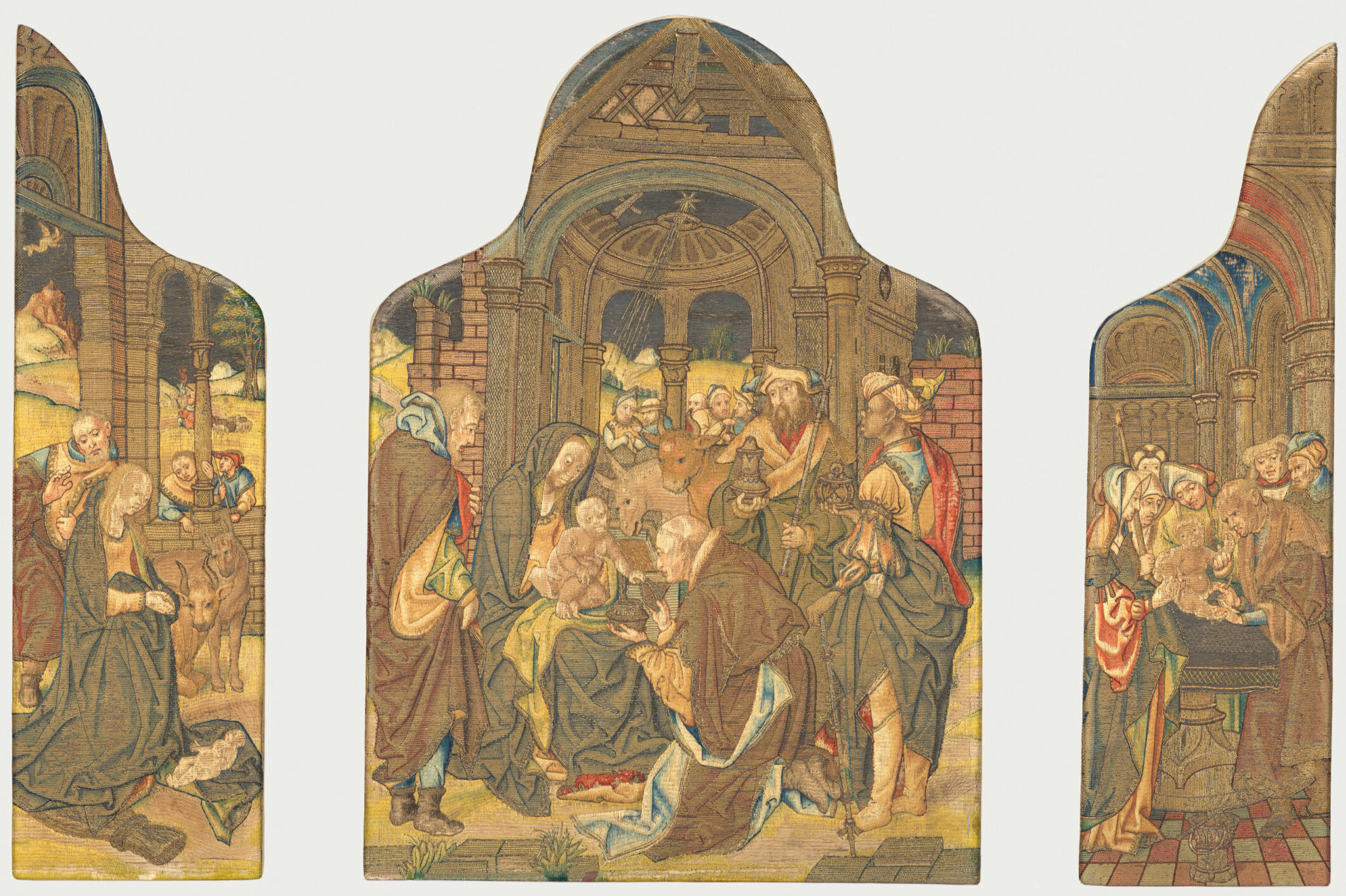
Fig. 4. Scenes from the Infancy of Christ embroidery, ca. 1500. Silk, silver, silver-gilt threads on linen
Metropolitan Museum of Art, Gift of Irwin Untermyer, 1964 (64.101.1380a–c)
Safeguarding against overexposure, we rotate textiles in The Met’s galleries (key Netherlandish pieces may always be found in our Northern Renaissance Decorative Arts gallery, 520, and will be in our in-development Dutch Decorative Arts gallery). The stored collection is available to view, arranged in advance, in The Met’s Antonio Ratti Textile Center.
Building upon The Met’s tradition of tapestry exhibitions – from 1947’s French Tapestries- Medieval, Renaissance and Modern, through 1974’s Masterpieces of Tapestry from the fourteenth to the sixteenth century, to Tom Campbell’s field-transforming exhibitions of the early 2000s – in 2014, Maryan Ainsworth, Nadine Orenstein, Stijn Alsteens and I co-curated Grand Design: Pieter Coecke van Aelst and Renaissance Tapestry. The exhibition sought to bring discussion of Netherlandish tapestries beyond how expensive they were (albeit a vital component!) to contextualize their artistry, situating design process and collaborative roles of designer, cartoon painter and weavers within the ongoing conversation of early modern Netherlandish painting. Tapestries’ inherent capacities of scale and medium to envelop and transport their viewers also came to the fore in 2019’s Renaissance Splendor: Catherine de Medici’s Valois Tapestries, which I co-curated at Cleveland Museum of Art with Betsy Wieseman.
Relative Values: The cost of art in the Northern Renaissance (2017-2022) presented Flemish tapestries alongside other sixteenth-century northern European decorative arts, prints and paintings. Gleaning prices from documentary sources, I used cows as a universal currency – marking on the labels how many cows each work would originally have cost, encouraging visitors to compare market hierarchies. Acknowledging the varying costs of their raw materials revealed sometimes dramatic differences between intrinsic and extrinsic value. Rethinking artistic hierarchies resurfaced in The Tudors: Art and Majesty in Renaissance England, a loan show co-curated with Adam Eaker in 2022-23. We presented decorative arts, especially textiles, on a par with the now better-known paintings associated with this English dynasty. It was an opportunity to share how the Tudors conjured magnificence through their art patronage and display in order to legitimize their tenuous right to the English throne, and – in the cases of Mary I and her successor Elizabeth I – how England’s first female monarchs crafted powerful and recognizable identities through their representation in art.
I continue to delve into the experiences of sixteenth-century women as patrons, producers and audience, across social, economic and racial bandwidths: the opportunity to display art – virtuoso or humble, beautiful or harrowing – as touchstones of shared encounter across geography and time, and to steer the narratives our museum offers is, for me, a privilege which will never grow old!
Elizabeth Cleland is Curator of European Sculpture and Decorative Arts at the Metropolitan Museum of Art in New York. She has been a member of CODART since 2012.