
In 2003–2004, the National Gallery of Canada (NGC) mounted the exhibition Dutch and Flemish Drawings from the National Gallery of Canada. Although presented under the banner of the Gallery’s holdings, the exhibition notably included a substantial planned bequest—comprising roughly seventy percent of the works—which the catalogue by Joaneath Spicer, Odilia Bonebakker and David Franklin, identified in its foreword as “the most significant moment to date in the collecting history of European drawings at the Gallery.” At the time, the NGC’s Netherlandish holdings numbered approximately eighty drawings dating from the late fifteenth century onward.
The transformative bequest, comprising some fifty sheets, has now, in 2026, fully entered the national collection, augmenting the original holdings by two thirds. Together with the Meakins‑McClaran Collection of Netherlandish prints donated in 2022, these gifts redefine the NGC’s collection of European works on paper by providing a panoramic view of the visual culture of the Low Countries at the height of artistic creation.
The donors’ collecting activity was distinguished as much by intellectual rigor as by aesthetic discernment. Frank Seger (1914–2005) was born in Czechoslovakia and resettled in Canada in 1938 to build a career in the lumber business. Marianne Seger (1930–2025) trained at Freiburg University as a neurologist, became an Alzheimer’s researcher at the University of Toronto, and later enjoyed her time as a docent at the Art Gallery of Ontario. Together, the Segers brought to collecting the same analytical precision that characterized their professional work. The couple’s relationship with the NGC spanned several decades and their commitment to bequeathing their Netherlandish sheets was cemented through the above-mentioned exhibition. About half were donated in the intervening years between Frank’s passing and Marianne’s, at which time the other half was transferred.
Assembled primarily during the 1980s and 1990s, the Seger drawings exemplify the breadth and ambition of Netherlandish draftsmanship between the beginning of the sixteenth century—the earliest sheet a roundel by the artist known as Pseudo-Ortkens—and the end of the seventeenth century—the latest sheet a characteristic figure study by Cornelis Dusart. The collection also reflects a more personal dimension. Frank Seger’s enduring connection to Prague, shared by Marianne, gave particular resonance to works by artists who worked in or traveled through the city, among them Aegidius Sadeler, Pieter Stevens, Roelandt and Hans Savery, and Paulus van Vianen. Whereas religious and mythological scenes, landscapes, figure studies and genre imagery coexist in these holdings, beyond individual genres, the Seger collection is unified by exceptional aesthetic quality. That these works are mostly finished and highly refined underscores their appeal to connoisseurs and museum alike—an appeal the rest of this short article, indebted to the above-cited catalogue, can address only in cursory terms, through a small number of themes and object groupings.
Staging the Sacred: Mannerist Religious Design and the Printed Image
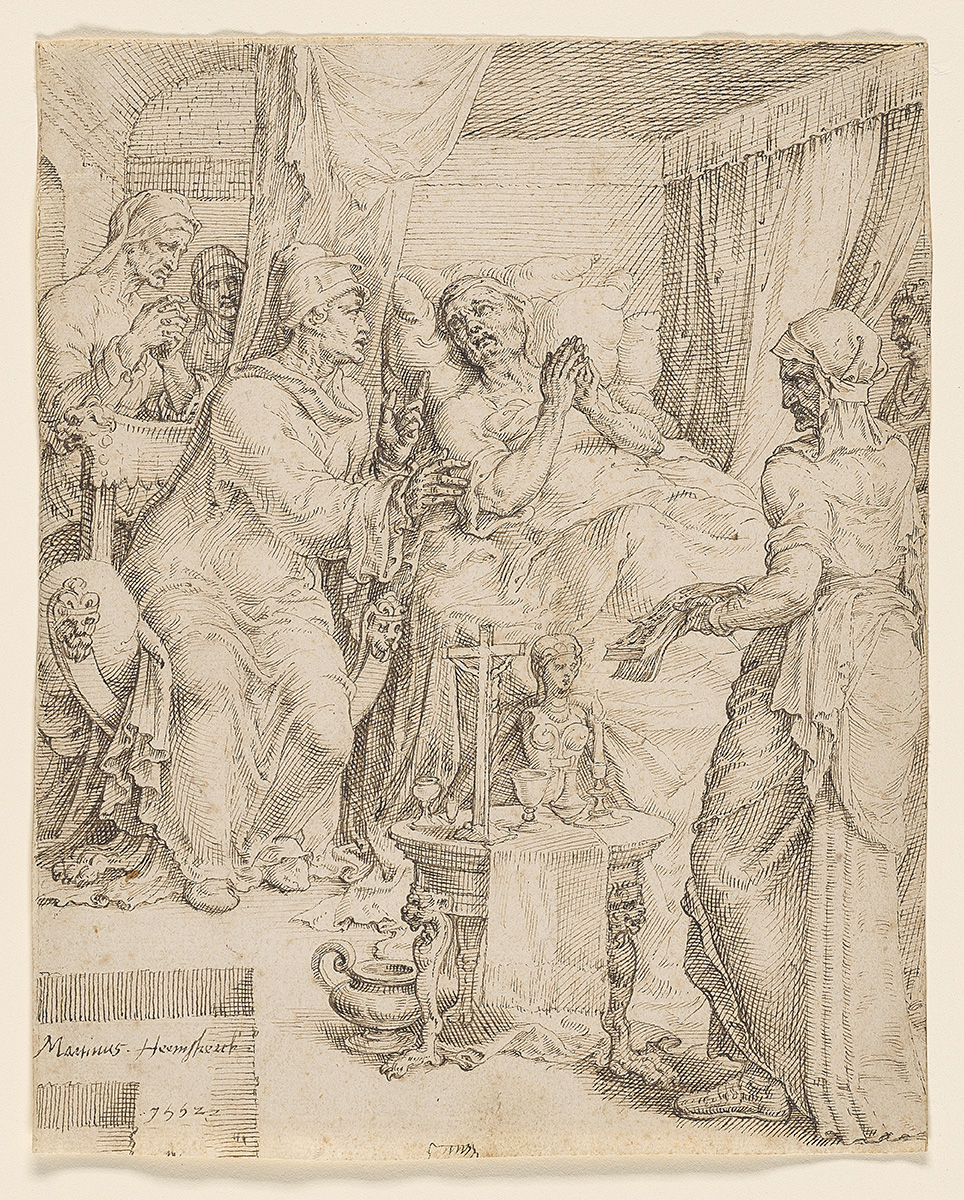
Fig. 1. Maarten van Heemskerck (1498-1574), Visiting the Sick, 1552
National Gallery of Canada, Ottawa. Gift of Frank and Marianne Seger, 2019. Photo: NGC
A number of excellent sheets linked to the design, translation, and dissemination of printed images embody Mannerist practice from its early formulations through its later expressions. Among the earliest in the group, Maarten van Heemskerck’s signed and dated 1552 Visiting the Sick (fig. 1) is an incised preparatory drawing for a didactic print series on the Acts of Mercy, engraved and published by his close collaborator Dirck Volkertsz Coornhert. Rooted in Christian humanist culture, the composition visualizes Christ’s injunction from Matthew 25:35–37—“I was sick, you visited me”—by densely staging figures within an enclosed interior that intensifies the moral and emotional charge. Heemskerck’s hallmark all-over hatching sharply differentiates crowded surfaces and figures, while his characteristic use of steps—even in an improbable bedroom setting—imply movement. Together, these devices reveal Heemskerck’s fluency as a designer of prints that combine theological instruction with dynamic compositional invention.
The practice of incision as a means of translating invention into print recurs in Karel van Mander’s Blinding of Saul (ca. 1595) (fig. 2). Here, crisp contours and shading blend to amplify the drama of Saul overwhelmed by divine light. The rays—inscribed with Christ’s words in the related print—signal spiritual force, contrasting with Saul’s physical collapse and scattered documents, which convey narrative immediacy. This juxtaposition amplifies the tension between divine intervention and earthly life, reflecting van Mander’s graphic command as a vehicle for religious storytelling.
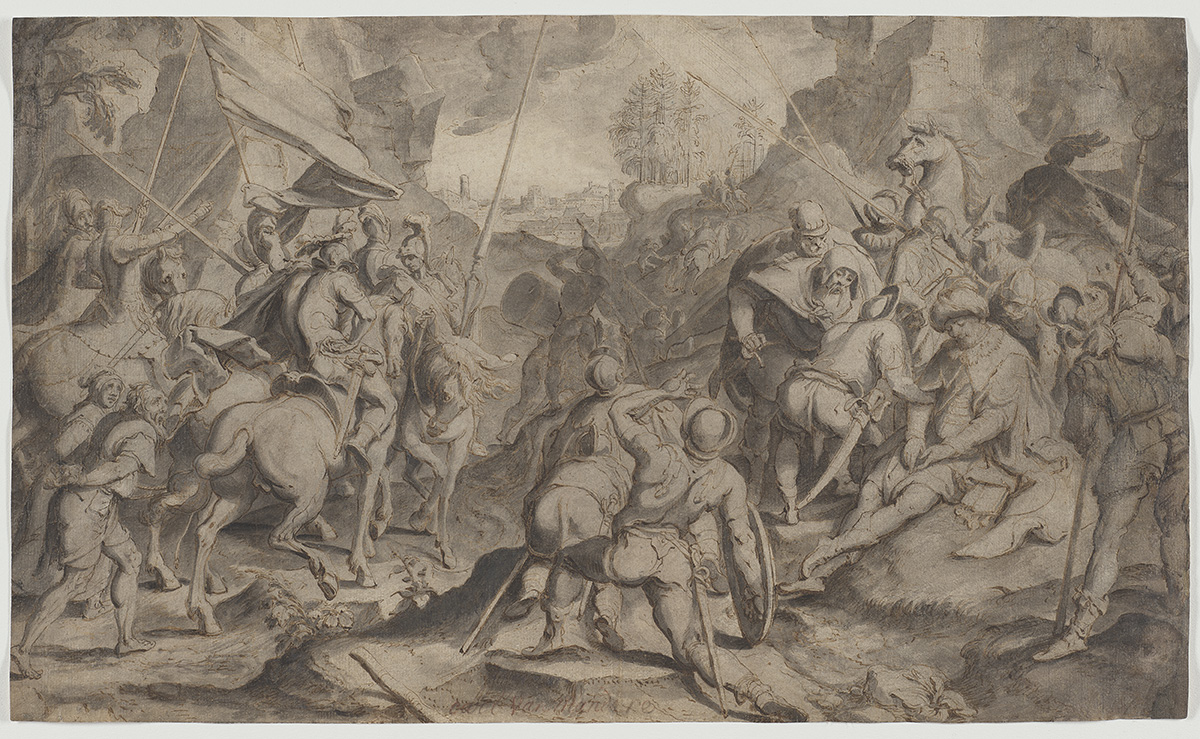
Fig. 2. Karel van Mander (1548-1606), The Blinding of Saul, ca. 1595
National Gallery of Canada, Ottawa. Bequest of Frank and Marianne Seger, 2025. Photo: NGC
Questions of translation, authorship, and workshop collaboration come to the fore in two sheets associated with Hendrick Goltzius, which stand out within the Seger donation for the complexity of their relationship to the master and his circle. The red‑chalk David with the Head of Goliath, dated 1589 (fig. 3), was attributed to Goltzius in the exhibition catalogue (and earlier) by Joaneath Spicer, who proposed that the sheet was conceived as a model for an engraving by Goltzius’ pupil Nicolaes de Braeu—an impression of which accompanied the Seger bequest—and identified incised contours and traces of transfer as technical evidence of a double reversal undertaken to preserve the composition’s orientation.
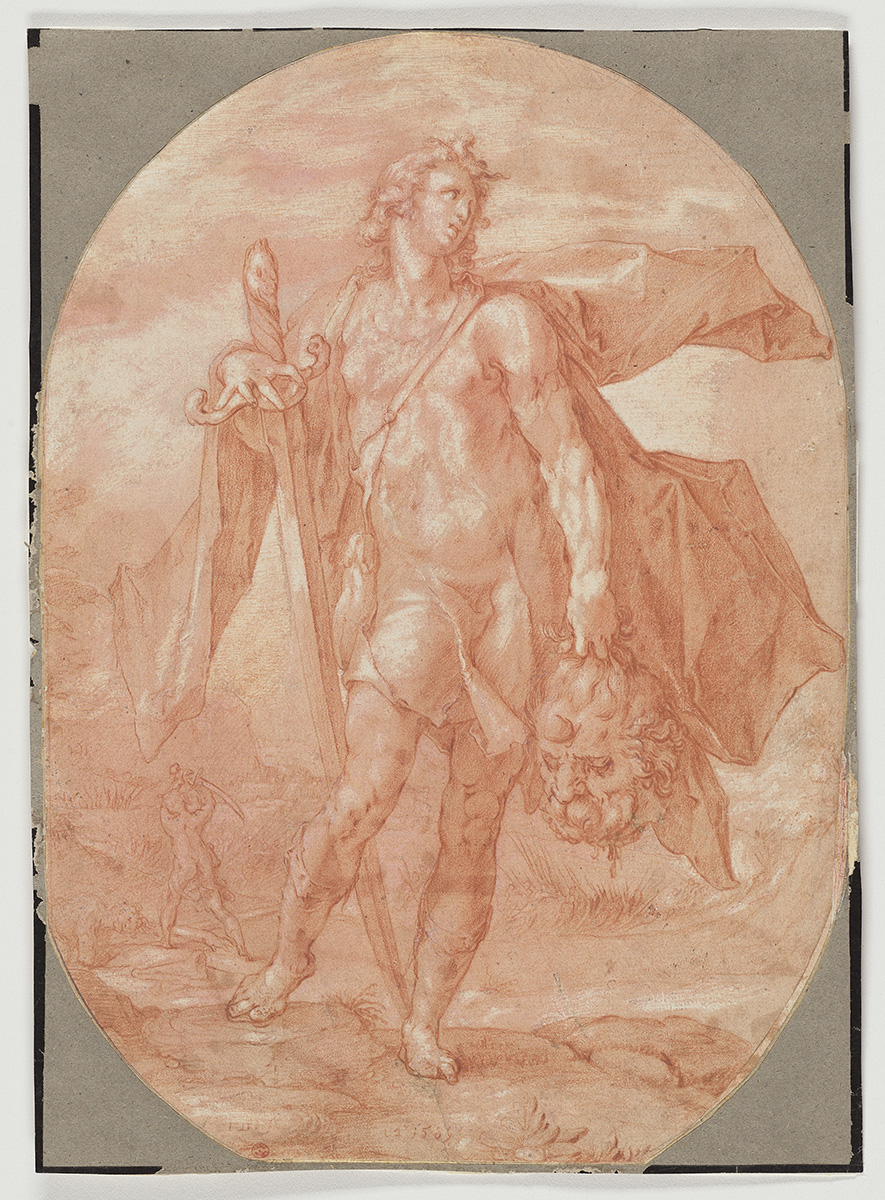
Fig. 3. Hendrick Goltzius (1558-1617), David with the Head of Goliath, 1589
National Gallery of Canada, Ottawa. Bequest of Frank and Marianne Seger, 2025. Photo: NGC
In their turn, Flemish sheets also demonstrate the intimate relationship between drawing and printmaking across time. Hans Bol’s rare figural roundel The Resurrection of Christ, dated 1581, and Pieter de Jode’s Investiture of St. Augustine were both conceived as preparatory designs for engravings and are both incised. Bol’s drawing, with its reversed composition, testifies to the artist’s participation in Antwerp’s thriving religious print culture, while de Jode’s illuminates the role of designers in collaborative print series. His drawing for the Life of St. Augustine—engraved by Schelte à Bolswert in 1624—expands the known oeuvre of an artist whose contributions were historically eclipsed by engravers and publishers.
Echoes of Rembrandt
The Seger collection offers a glimpse into the richness of artistic production shaped by Rembrandt’s influence through a small group of sheets. Chief among these is Samuel van Hoogstraten’s The Baptism of the Ethiopian Chamberlain, of the early 1660s, heavily indebted to the NGC’s own drawing of the same subject by Rembrandt, dating from about a decade prior. Viewed in proximity, the two sheets compellingly illuminate Hoogstraten’s intimate engagement with his master’s compositional strategies and figural types, while also revealing his independent handling of narrative and emotion. The group is further anchored by Leonard Bramer’s Joseph Interpreting Pharaoh’s Dreams, a mature work on deep blue paper, from the late 1650s whose striking chiaroscuro reflects Bramer’s sustained dialogue with Italian art rather than direct dependence on Rembrandt. Its scale and complexity make it an exceptional counterpart to the NGC’s earlier drawing of the same subject acquired in 1938.
The remaining sheets, including ones by Willem Drost and Willem de Poorter, demonstrate varied and inventive responses to Rembrandt’s example. Drost’s Liberation of Saint Peter reimagines a favorite theme using divine light alone, deepening the psychological strain while dispensing with conventional iconography. De Poorter’s Circumcision of Christ (fig. 4) similarly adapts Rembrandt’s pictorial language—dramatic lighting, spatial depth, and familiar character types—to produce an image of theological ambiguity and solemn restraint.
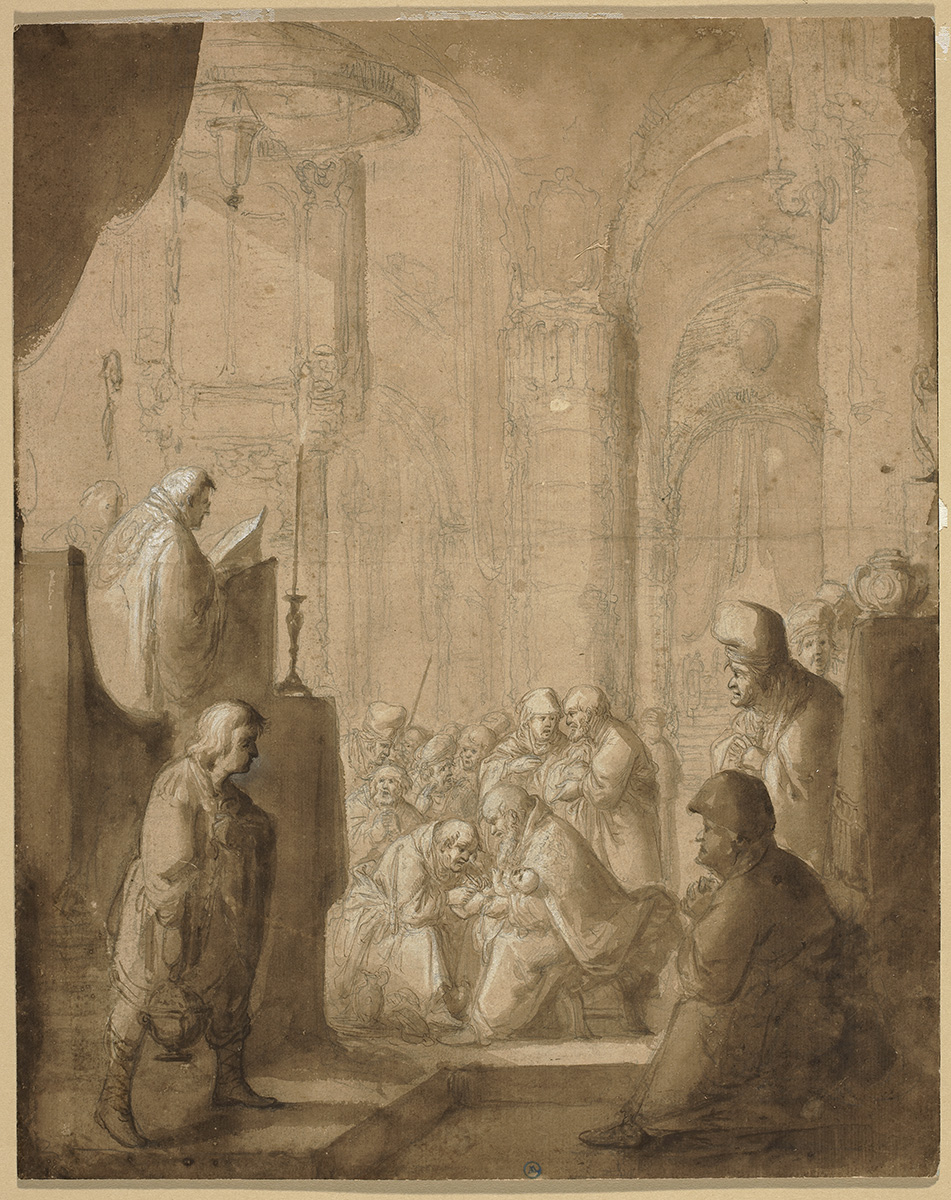
Fig. 4. Willem de Poorter (1608- after 1648), The Circumcision of the Christ Child, ca. 1645
National Gallery of Canada, Ottowa. Gift of Frank and Marianne Seger. Photo: NGC
Landscape and the Dangers of Nature
Landscape drawings occupy a central place in the Seger collection, reflecting the genre’s ascendancy in Netherlandish art as artists increasingly treated nature as an autonomous subject capable of conveying not only atmosphere and visual pleasure, but also instability, threat, and moral unease.
Jacob Grimmer’s ca. 1575 Landscape with Soldiers Attacking a Traveler (fig. 5) sets the tone by juxtaposing a tranquil rural environment with a sudden eruption of violence. A related concern animates Esaias van de Velde’s signed and dated 1625 Bandits Attacking Two Covered Wagons, in which the open landscape becomes a site of ambush and peril. Here, the broad, lightly sketched countryside offers no refuge: the low horizon and expansive space emphasize the travelers’ isolation. In both compositions, the contrast between the apparent calm of nature and the latent dangers it conceals reflects contemporary anxieties about travel and insecurity in the wake of political unrest.
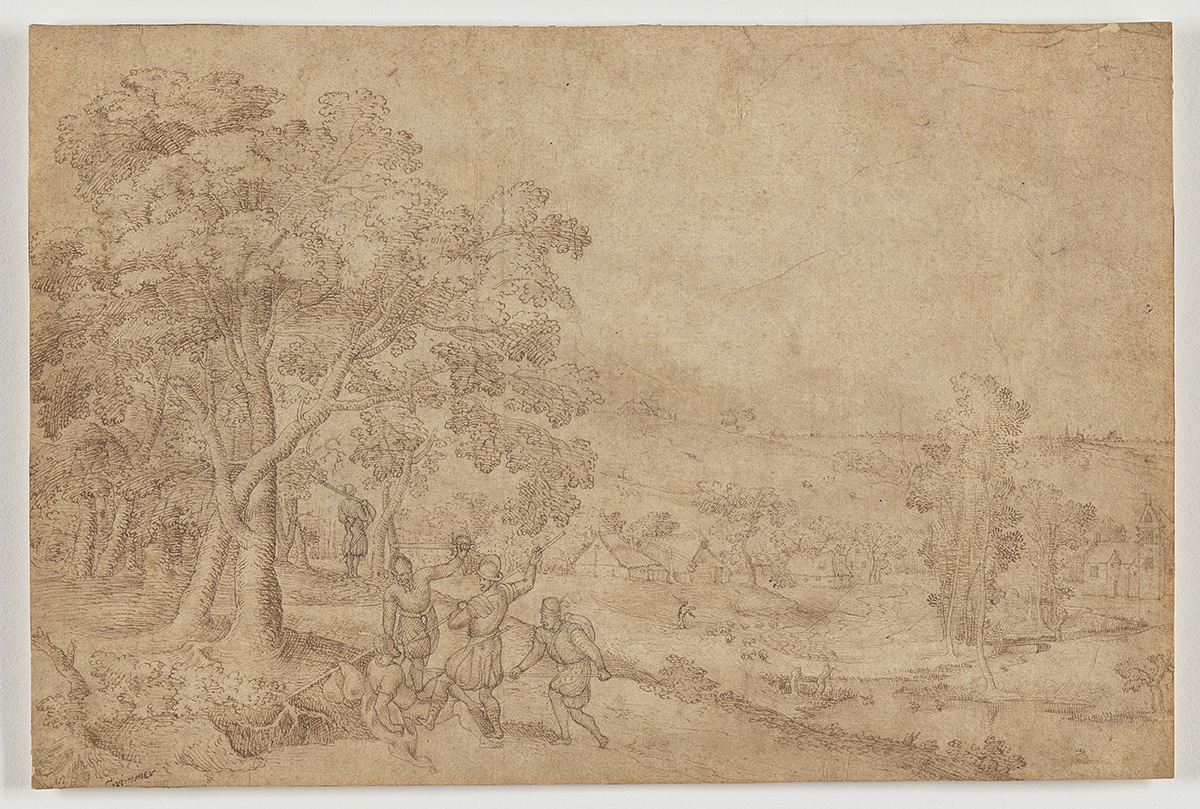
Fig. 5. Jacob Grimmer (1525/1526-before 1590), Landscape with Soldiers Attacking a Traveler, ca. 1575
National Gallery of Canada, Ottawa. Bequest of Frank and Marianne Seger, 2025. Photo: NGC
Two late sixteenth-century sheets similarly balance visual appeal with implicit menace. Paul Bril’s Landscape with Roman Ruins Overlooking a Bay, for instance, presents an idealized Italianate vista whose classical fragments on inhospitable terrain evoke both grandeur and ruin, while Pieter Stevens’ Fantasy View from a Steep Hillside Overlooking a City employs a high viewpoint and decorative washes to create a sense of vertigo and exposure.
Later works by artists such as Hendrick Avercamp, Anthonie Waterloo, and Lucas van Uden chart the evolution of landscape toward greater naturalism, though the genre retains its emotional resonance. Whether capturing ice fishing on the Zuiderzee, or wooded paths bathed in glowing light, these drawings transform observed or imagined spaces into carefully orchestrated sensory experiences.
From Lonesome Figures to Lively Reunion
Figure studies, another defining feature of Dutch art in the seventeenth century, also form a cohesive and revealing group within the Seger bequest, bringing to the fore the Dutch Golden Age fascination with the human body as a site of empirical observation and expressive potential. Both dated to the turn of the seventeenth-century, Jacques de Gheyn’s informal Boy Seated on the Ground, Scratching his Knee (fig. 6) conveys immediacy and natural gesture, while Roelandt Savery’s annotated peasant studies assert their authenticity through the inscription naer het leven.
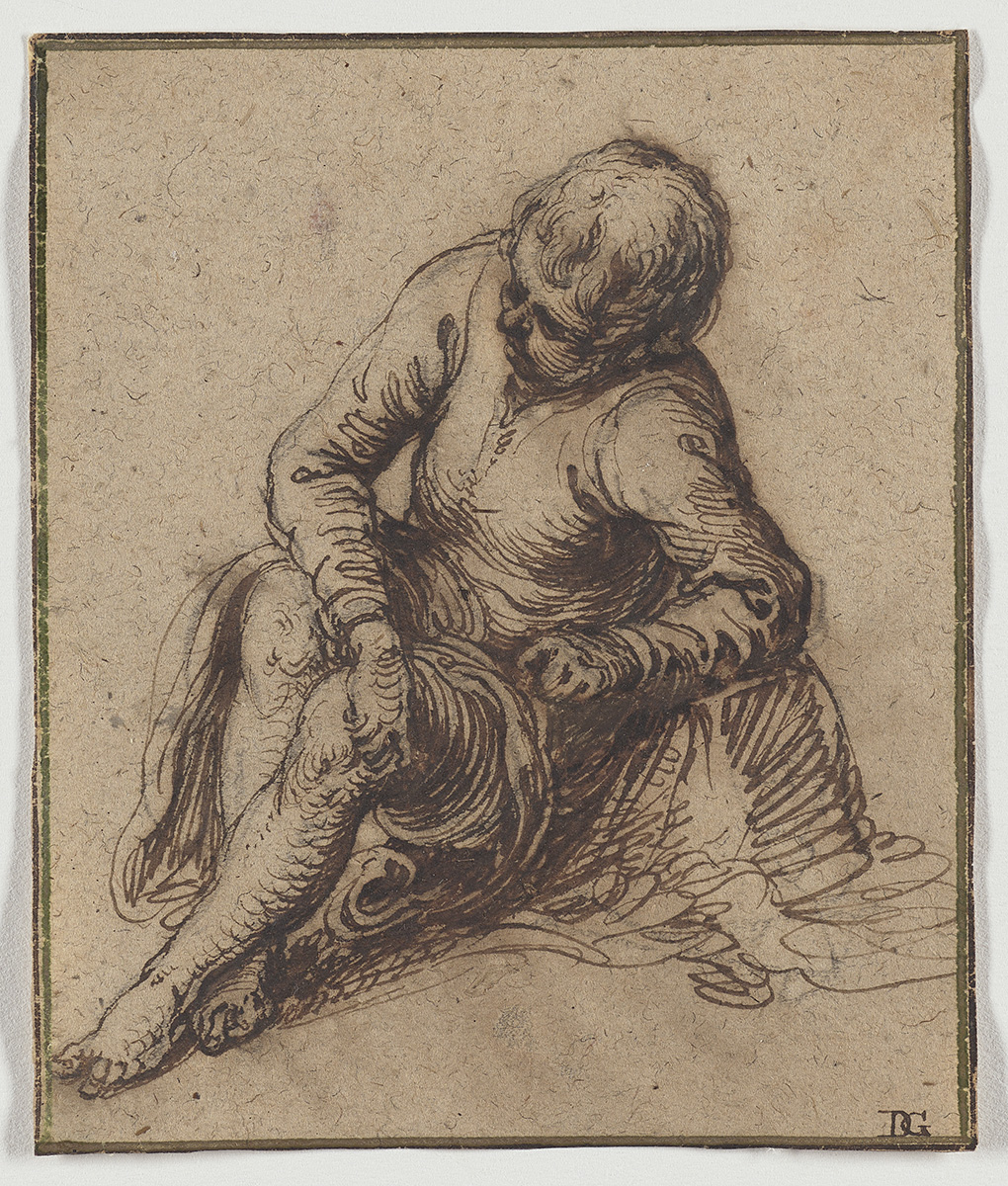
Fig. 6. Jacques de Gheyn (1537-1581), Boy Seated on the Ground, Scratching his Knee, ca. 1598
National Gallery of Canada, Ottawa. Bequest of Frank and Marianne Seger, 2025. Photo: NGC
Rather than assert individual identity, Herman Saftleven’s Shepherd Seen from the Rear, dating from the middle of the century, could take on the role of staffage when incorporated into more complex landscape compositions, serving to animate idealized settings. Together, these works illuminate how figure studies oscillated between preparatory function and independent artistic statement. As the chronologically latest work in the Seger holdings, Cornelis Dusart’s ca. 1685–96 Peasant Seated on a Barrel exemplifies the refinement of the genre, using black, red, and white chalk on blue paper to achieve remarkable tonal complexity. That same oscillation is made explicit in Andries Both’s Peasants Playing the Violin and Singing in a Tavern, where vigorous poses and animated gestures bridges figure studies and genre scene.
A Canadian Legacy
The significance of the Seger bequest extends beyond connoisseurship. It is deeply embedded in Canadian cultural history, shaped by the lives of immigrants who embraced their adopted country as stewards of European heritage. In line, wash, and chalk, the Seger legacy endures within the NGC as a testament to the transformative power of collecting guided by knowledge, generosity, and vision.
Sonia Del Re is Senior Curator of Prints and Drawings at the National Gallery of Canada in Ottawa. She has been a member of CODART since 2011.