
A new exhibition at The British Museum presents Netherlandish drawings made between 1400 and 1600, a transformative time which saw the development of drawings from workshop tool to independent work of art.
The exhibition spans two centuries of drawings in the Low Countries and explores their function in the artist’s workshop and in the design of works in other media, as well as the emergence of new subjects throughout the 1500s including landscapes and sophisticated allegories. On view are drawings by the most important artists of this period, including Rogier van der Weyden, Lucas van Leyden, Pieter Bruegel the Elder and Hendrick Goltzius.
The British Museum holds one of the greatest collections of Western works on paper, which includes around 5,000 Dutch and Flemish drawings. Of these, around 1,200 were made before 1600. The seventeenth-century drawings are much better known, and the works by Rembrandt and Rubens are rightly celebrated. The pre-1600 drawings, on the other hand, have not received much attention and have not been systematically examined since A.E. Popham’s collection catalogue of 1932. New research on this collection was clearly long overdue. The exhibition and accompanying publication are the result of a five-year research project supported by the International Music and Arts Foundation. The goal was not to write a new collection catalogue, as this would take several decades. Instead, a representative group of 180 drawings were selected, researched, conserved and published in the catalogue, and 110 are on view in the exhibition. The selection includes the most important drawings, as well as some of the drawings acquired since the publication of Popham’s catalogue. Works by lesser-known masters, anonymous sheets and workshop copies are also included to present a comprehensive account of the development of drawing in the region.
The project was a collaboration with Charlotte Wytema as project curator, and with our colleagues in paper conservation and science at the British Museum. The catalogue consists of four thematic essays, and individual object entries with accurate material descriptions, including watermarks, as well as bibliography and provenance details.
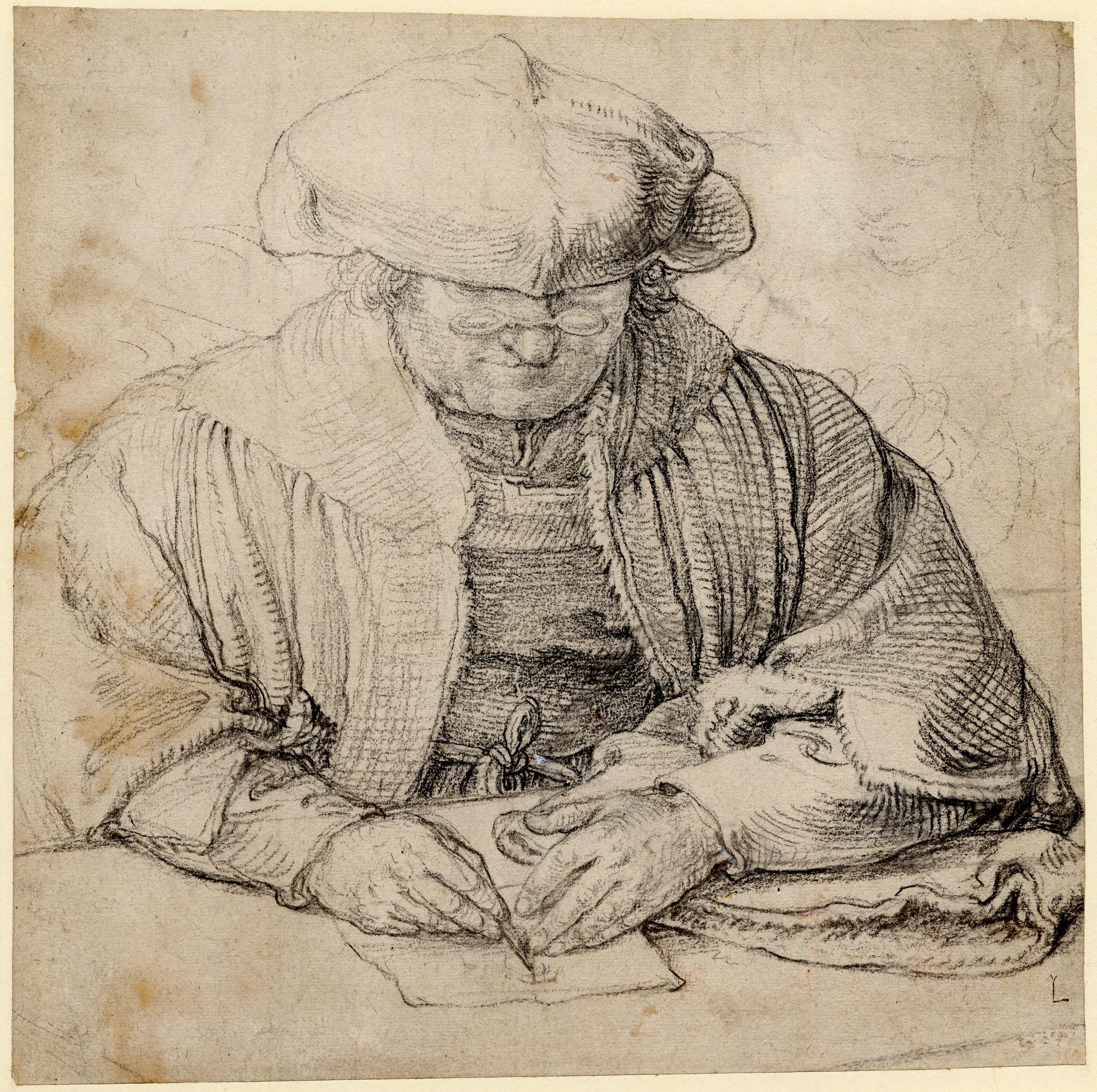
Fig. 1. Lucas van Leyden (1494-1533), Man Drawing, ca. 1512
The British Museum, London
The Importance of Drawing
Drawing was the most fundamental skill for an artist to learn. Drawings were at the heart of the Netherlandish workshop and counted amount an artist’s most prized possession. They offer fascinating insights into the training, artistic practice, and development of Netherlandish artists. Apprentices began by drawing copies of model sheets, prints and statuettes. They would go on to draw copies of paintings in the workshop, thereby learning their master’s style and assembling their own collection of models. Gradually, they would progress to drawing from life and assist in the development of new compositions and designs.
Drawing was the foundation for all the arts that were produced in the Low Countries at the time: illuminated manuscripts, stained glass windows, painted glass roundels, tapestries, paintings, sculptures and prints were all designed on paper. Despite their importance to art production, early Netherlandish drawings are extremely rare. They were seen as functional objects, and were not retained beyond the workshop, unlike in Italy or the German-speaking lands, where the taste for collecting drawings in the 1500s ensured a higher number of drawings from this period survive. It has been estimated that fewer than 600 Netherlandish sheets survive from the 1400s. Early sixteenth-century drawings were still quite rare: less than 30 survive by Lucas van Leyden, eight of which are in the British Museum’s collection. Six are displayed in the exhibition, including Man Drawing (fig. 1). The situation changed considerably by the mid-sixteenth century, when Netherlandish drawings became sought after by collectors, and almost every major artist left behind a considerable group of drawings, spanning hundreds if not thousands of sheets.
-
-
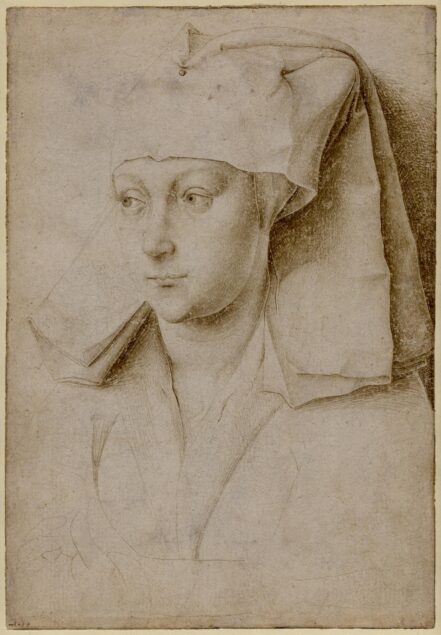
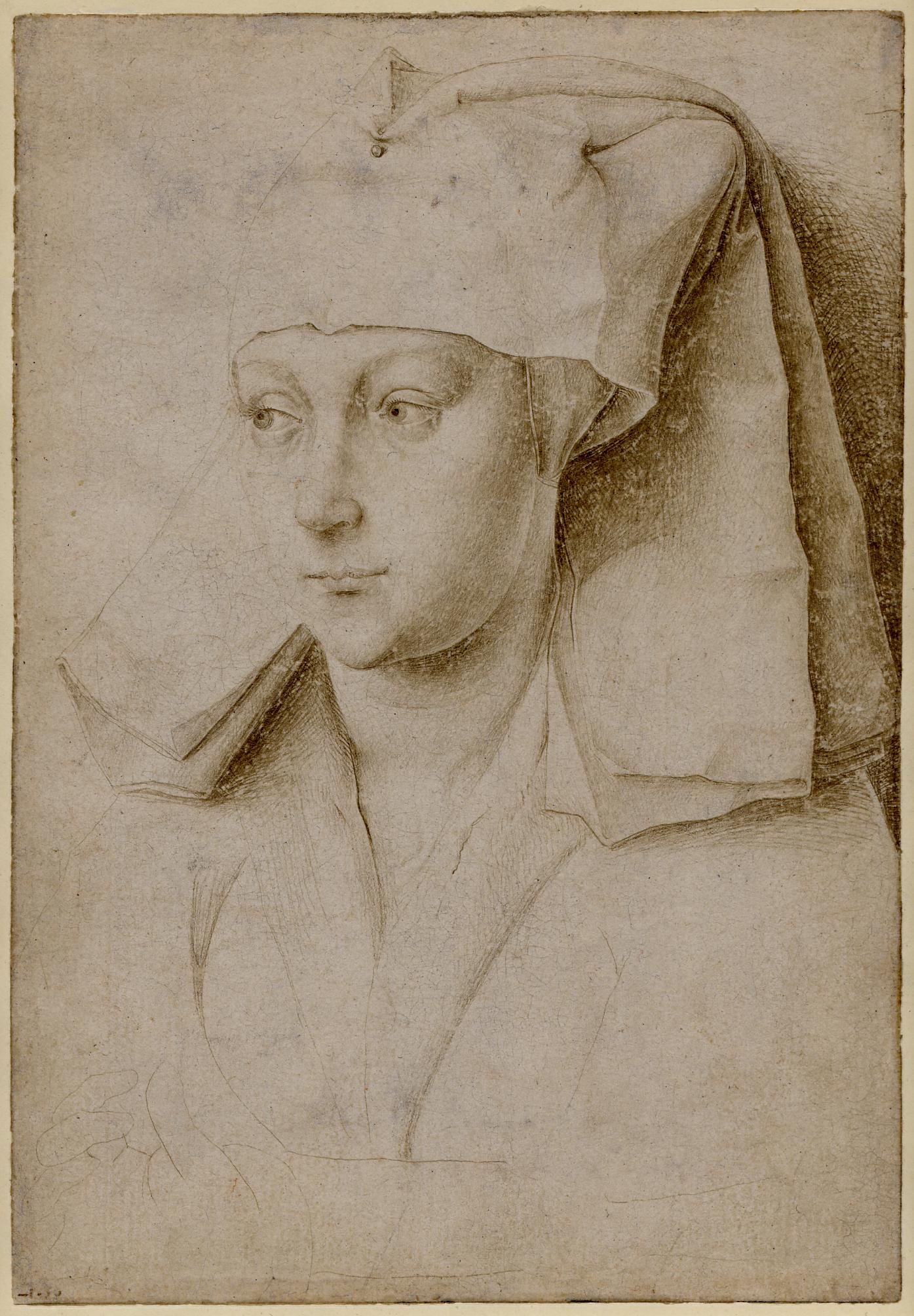
Fig. 2. Rogier van der Weyden (1399/1400-1464), Portrait of a Woman, ca. 1440
The British Museum, London
-
-
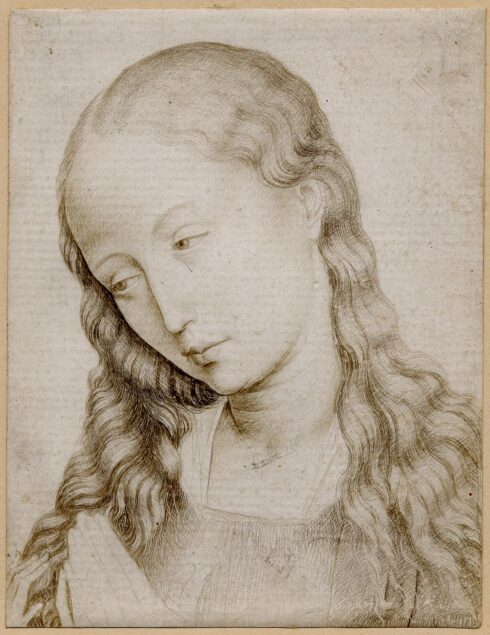
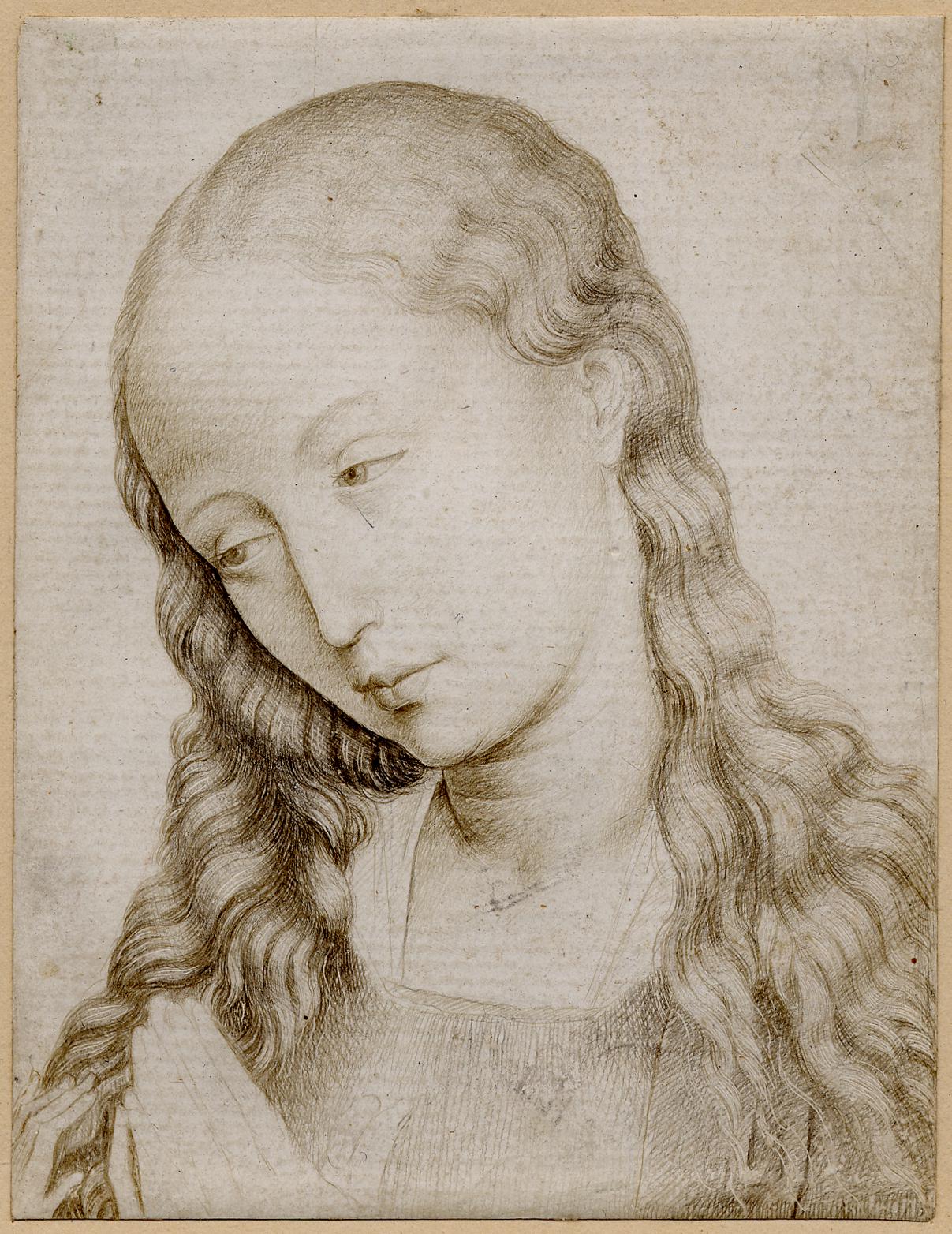
Fig. 3. Workshop of Rogier van der Weyden, Head of the Virgin, ca. 1440-1464
The British Museum, London
The Exhibition
The exhibition includes 110 drawings arranged into four sections. Drawings from the 1400s and early 1500s are displayed chronologically in two sections and contextualized within their function in the workshop. New subjects and functions of drawings emerged around the 1550s, which are presented thematically in two sections.
Early Drawings, 1400-1500
The first section brings together drawings from the 1400s. At this time, drawings were functional objects in the workshop and were made as models or reference material for the development of compositions, copies for artistic training, or as records of works of art that left the workshop. The highlight of this section is the Portrait of a Young Woman (fig. 2) by Rogier van der Weyden, known for his expressive and dynamic compositions. This drawing, of exceptionally high quality, is the only one generally accepted as being by Rogier’s own hand. It is delicately drawn in silverpoint, a meticulous technique applied with a thin silver stylus to prepared paper. The drawing is displayed alongside six other silverpoint drawings which have now been attributed to Rogier’s workshop, based on technical analysis. The findings demonstrated that the materials and techniques are nearly identical for all six drawings. It is remarkable that a relatively large number of drawings survive from one fifteenth-century workshop.
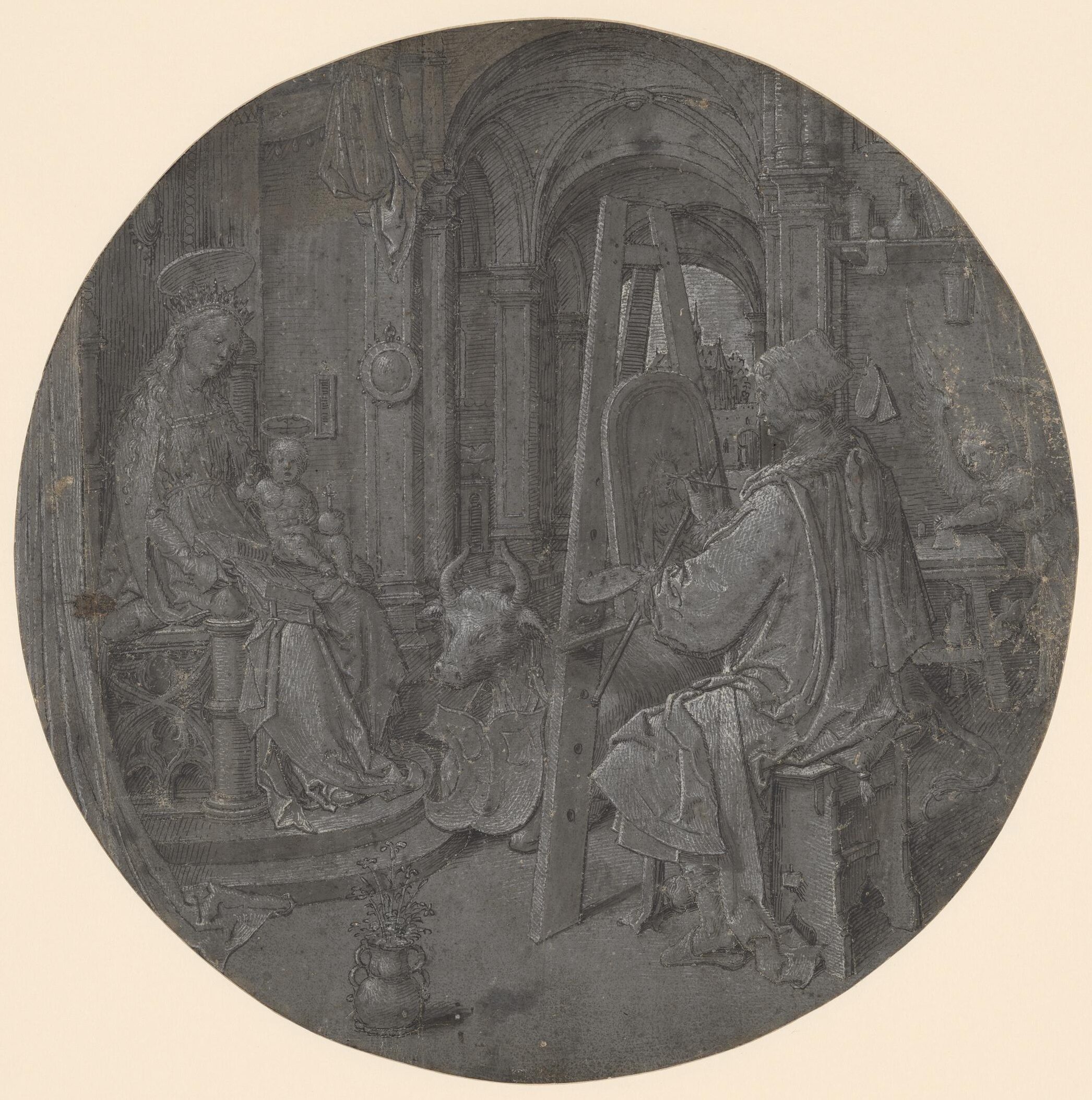
Fig. 4. Jan de Beer (ca. 1475-1528), St Luke Painting the Virgin, ca. 1509
The British Museum, London
Drawing to Design
Drawing was a vital tool for artists to develop ideas and communicate their designs to patrons and collaborators. Design drawings can reveal the artist’s first thoughts and show how the artist developed a composition. The second section in the exhibition presents drawings from the early 1500s made for the design of works in other media. The booming economy in the southern Low Countries led to growing demand for art both at home and for export abroad. As a result, drawings took on new importance, and new methods of transferring designs were introduced to speed up production in the workshop.
Jan de Beer’s St Luke Painting the Virgin (fig. 4) is a design for a painted glass roundel, drawn on a dark grey-colored ground in order to effectively convey the light effects to the glazier or glass painter. The contours of the drawing were pricked with delicate pinholes and pounced with black chalk to transfer the design onto another sheet to preserve the original drawing.
Tapestries were among the most prestigious works of art, and Netherlandish tapestries were renowned across Europe for their ambitious narratives. Various stages of tapestry designs are brought together, from preliminary compositional drawings, fully worked out ‘petits patrons’ from the workshop of Bernard van Orley, and fragments of full-scale cartoons which were used by the weavers.
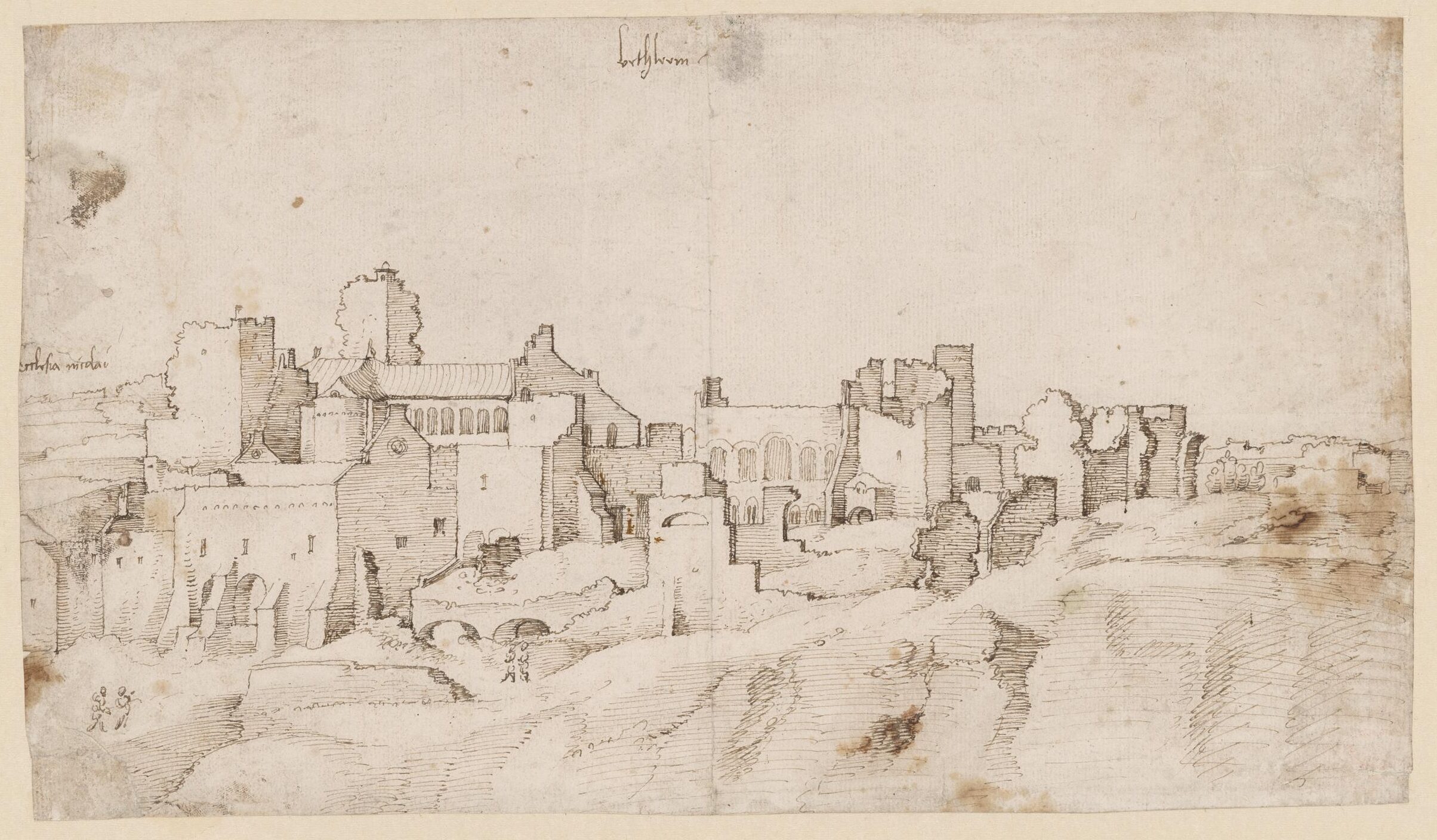
Fig. 5. Jan van Scorel (1495-1562), View of Bethlehem, ca. 1520
The British Museum, London
Landscapes and Expanding Worlds
In the 1500s, travel across Europe and beyond in search of patronage and inspiration became more common for Netherlandish artists. The third section brings together landscapes and observations recorded by artists during their travels both at home and abroad. Landscape drawings were often made during journeys, providing an intimate record of artists’ movements and ideas. This section charts the development of landscape drawing into an independent artistic genre. Jan van Scorel’s freely drawn views belong to the earliest surviving Netherlandish landscape drawings (fig. 5). He made a pilgrimage to the Holy Land via Venice and Rhodes in 1520 along with members of a Haarlem confraternity. His view of Bethlehem shows the city’s Byzantine buildings in ruin, cast in diffuse light. Pieter Bruegel’s landscape drawings combine first-hand observations from his journey to Italy across the Alps with artistic license as he arranged motifs into expansive vistas. Three of his landscape drawings are on view, along with a fourth which has now been reattributed to the artist. Bruegel’s landscapes remained the benchmark for the next 50 years, and drawings by Hans Bol, Matthijs and Paul Bril, and Roeland Savery attest to his enduring legacy.
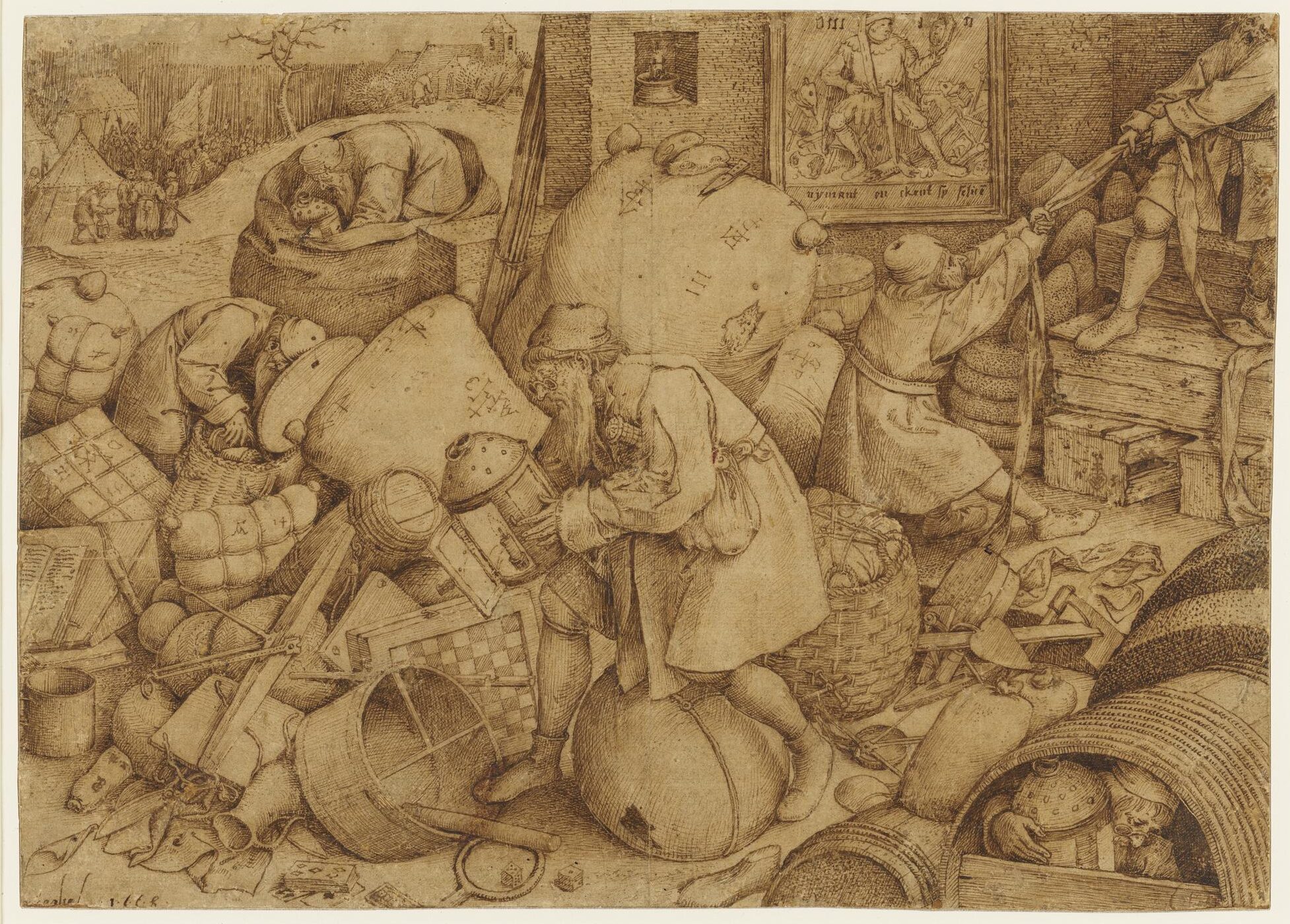
Fig. 6. Pieter Bruegel the Elder (1525/1530-1569), Elck (Everyone), 1558
The British Museum, London
The Antique and the Vernacular
New subjects and styles appeared in sixteenth-century Netherlandish art with artists seeking inspiration from popular culture and from classical antiquity. Many artists started to incorporate antique and Italianate forms into their art. Some were inspired by circulating prints, while others, including Jan Gossart and Maarten van Heemskerck, traveled to Rome to study and draw the ancient monuments. Michiel Coxcie, Jan van der Straet and others who stayed in Italy for a considerable length of time adopted local artistic methods, such as drawing with red chalk and making oil sketches on paper. These new stimuli were fused with local traditions and styles in innovative ways.
The vernacular tradition of proverbs, folk wisdom and festivals was one that artists such as Pieter Bruegel and writers like Erasmus drew from to amuse and inspire moral reflection from their largely urban mercantile audiences. Bruegel’s densely populated print designs are meticulously drawn in pen and ink, with each line carefully planned for the engraver to follow. In his design for ‘Elck’ (or Everyman) (fig. 6), Bruegel depicts the philosopher Diogenes who, with a lantern in daylight, vainly seeks meaning amongst the material objects. Bruegel developed a new visual language to address avarice and greed, themes which took on new resonance in Antwerp, the flourishing mercantile and banking capital.
The exhibition concludes with drawings made as independent works of art, which highlights the rising status of the artist in the Low Countries around 1600. Hendrick Goltzius and Jacques de Gheyn II began to use more luxurious materials in their drawings, including vellum and gold leaf, to depict sophisticated allegories. Highly sought after by collectors throughout Europe, these works speak to the ambitions of the artists and patrons alike.
From the earliest drawings made around 1410 in the context of manuscript illumination, to large virtuoso ‘pen works’ made as works of art in their own right around 1600, the exhibition explores the full range of drawing in the Low Countries throughout these two transformative centuries.
Olenka Horbatsch is Curator of Dutch, Flemish and German Prints and Drawings before 1800 at the British Museum in London. She has been a member of CODART since 2017 and a member of the editorial board of CODARTfeatures since 2025.