
Sunday, 15 March (optional)
1. Boat tour through Ghent’s historic center
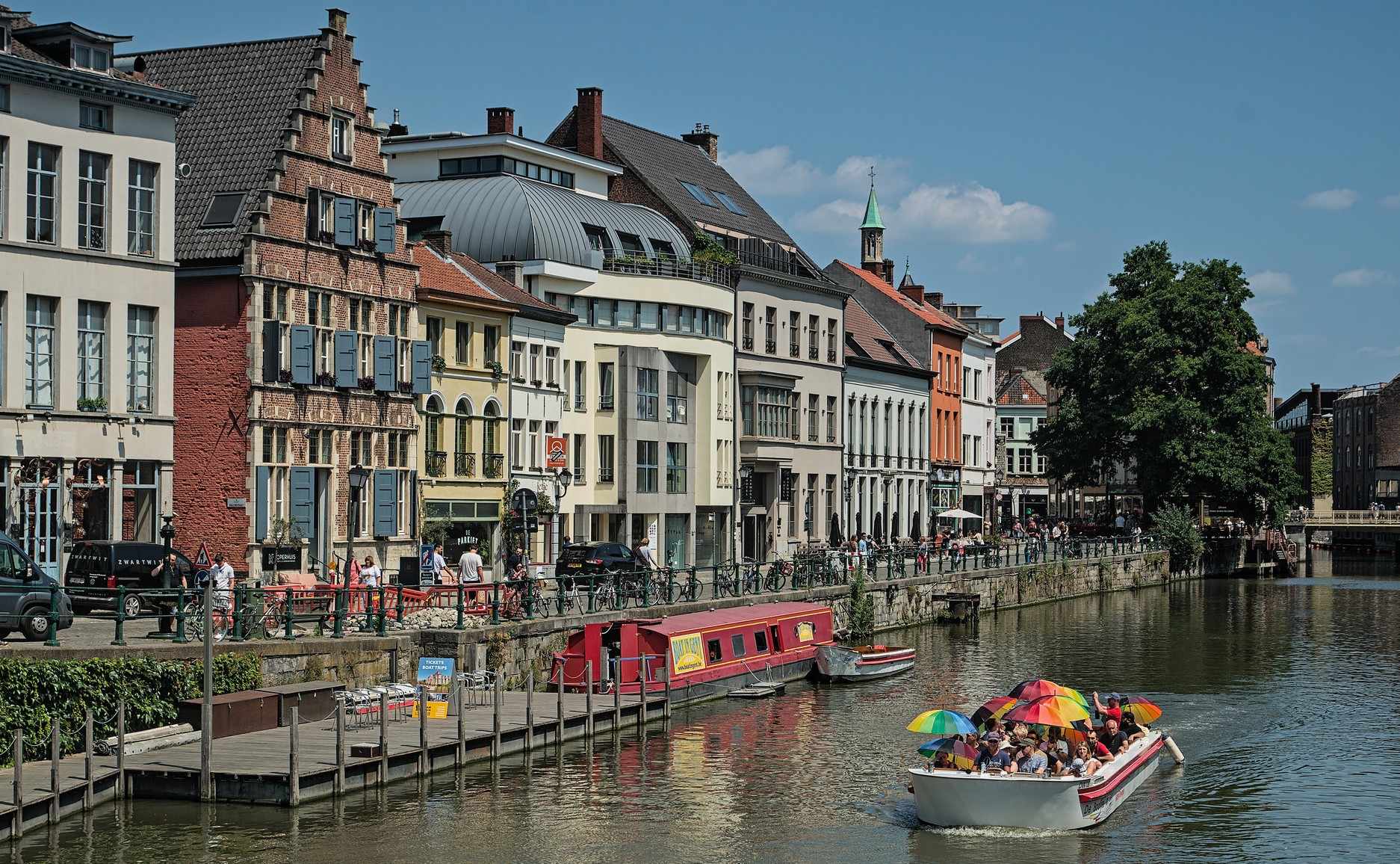
Photo by Michael Staats via Flickr, CC BY-NC-SA 4.0
2. Nineteenth-century art at the Museum of Fine Arts (MSK)
with Johan De Smet
CODART members are probably most familiar with the Old Masters collection at Ghent’s Museum of Fine Arts. However, throughout its history, the museum has focused primarily on contemporary art. In the course of the long nineteenth century, it concentrated on the works exhibited at the Ghent Salons, and after 1900 — especially in the last few decades of the twentieth century — it turned its attention to modern Belgian art from 1850-1950. The end result is a fairly heterogeneous collection, ranging from Early Neoclassicism to Expressionism, including a collection of international art from this period that is unique in Belgium. Dr. Johan De Smet, Head of Collection and Research at the museum, will take us on an afternoon walk to view key works by Corot, Ensor, Daubigny, Géricault, Kokoschka, Minne, Van Rysselberghe, and many others. This tour will be lead by Johan De Smet, Department Head of Collections, MSK.
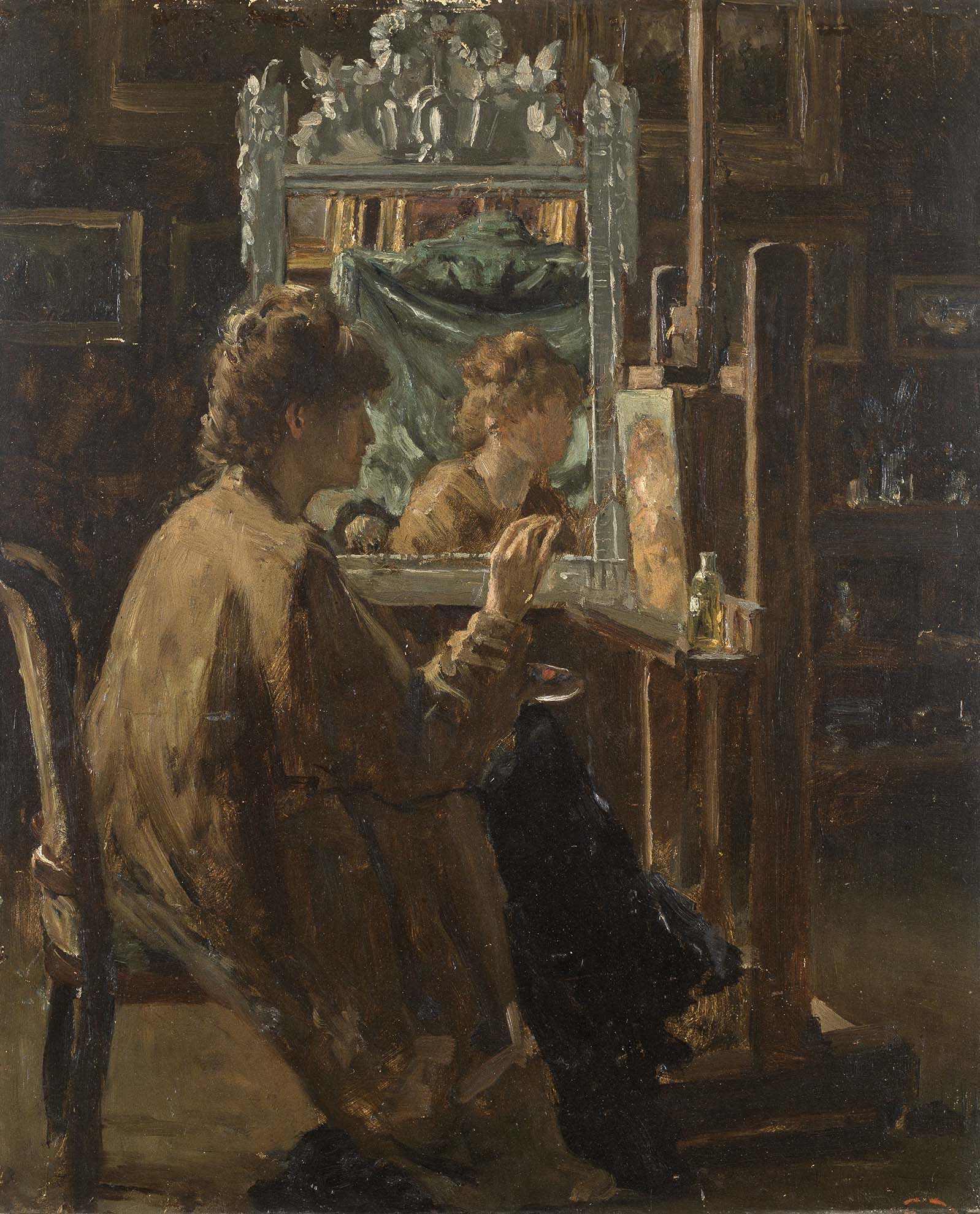
Alfred Stevens (1823-1906), Artist in her Studio, Museum of Fine Arts Ghent
3. City walk
with Jan Dumolyn
This guided walk through medieval Ghent explores the city’s social and spatial history from a social-historical perspective. Drawing on recent research into urban society, craft guilds and collective action in the late medieval Low Countries, the tour examines how economic activity, labour organization and political conflict shaped Ghent’s urban fabric. Participants will visit key sites associated with artisanal production, civic power and popular protest, tracing the relationship between social history and urban space. Particular attention will be given to the role of craft guilds in structuring daily life and to the recurrent tensions between urban elites and commoners that defined Ghent’s political landscape. Intended for art historians and historians alike, the walk situates the historical topography, still recognizable by various types of spatial relicts today, of the city within the broader context of its medieval social world, offering an integrated perspective on work, space and power in one of northern Europe’s largest cities. This city walk will be lead by Jan Dumolyn, Professor of Medieval History, Ghent University.
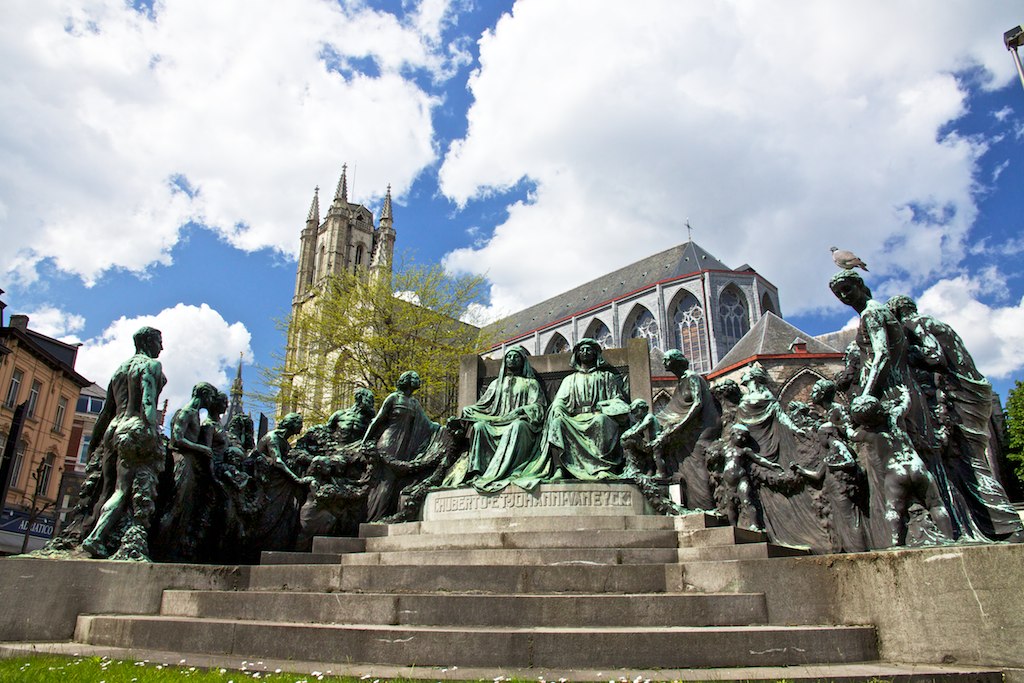
Saint Bavo’s Cathedral with the statue of the Brothers Van Eyck, Ghent, photo by Ton Nolles via Flickr, CC BY-NC-ND 2.0