
Tuesday, 17 March
1. MSK: Visit to the permanent collection
with Candice Van Heghe and Inez De Prekel
Ghent’s Museum of Fine Arts (MSK), founded in 1798, is the oldest museum of art in Belgium. It occupies a monumental building designed by the city architect Charles van Rysselberghe. After a collecting history of 225 years, the museum now owns almost 20,000 European artworks from the Middle Ages to 1950: paintings, sculptures, drawings, and prints. The core collection originated from Ghent’s churches and monasteries. It consists of an ensemble of paintings by seventeenth-century Flemish masters such as Gaspar de Crayer, Frans Francken the Elder, and Maarten De Vos. Around 1900, the collection was greatly expanded thanks to the Friends of the Museum. Their donations, bequests, and purchases enriched the Old Masters collection with masterpieces by artists including Hieronymus Bosch, Gerard Horenbout, Peter Paul Rubens, and Anthony van Dyck. This tour will be led by Candice Van Heghe and Inez De Prekel, both Assistant Curator.
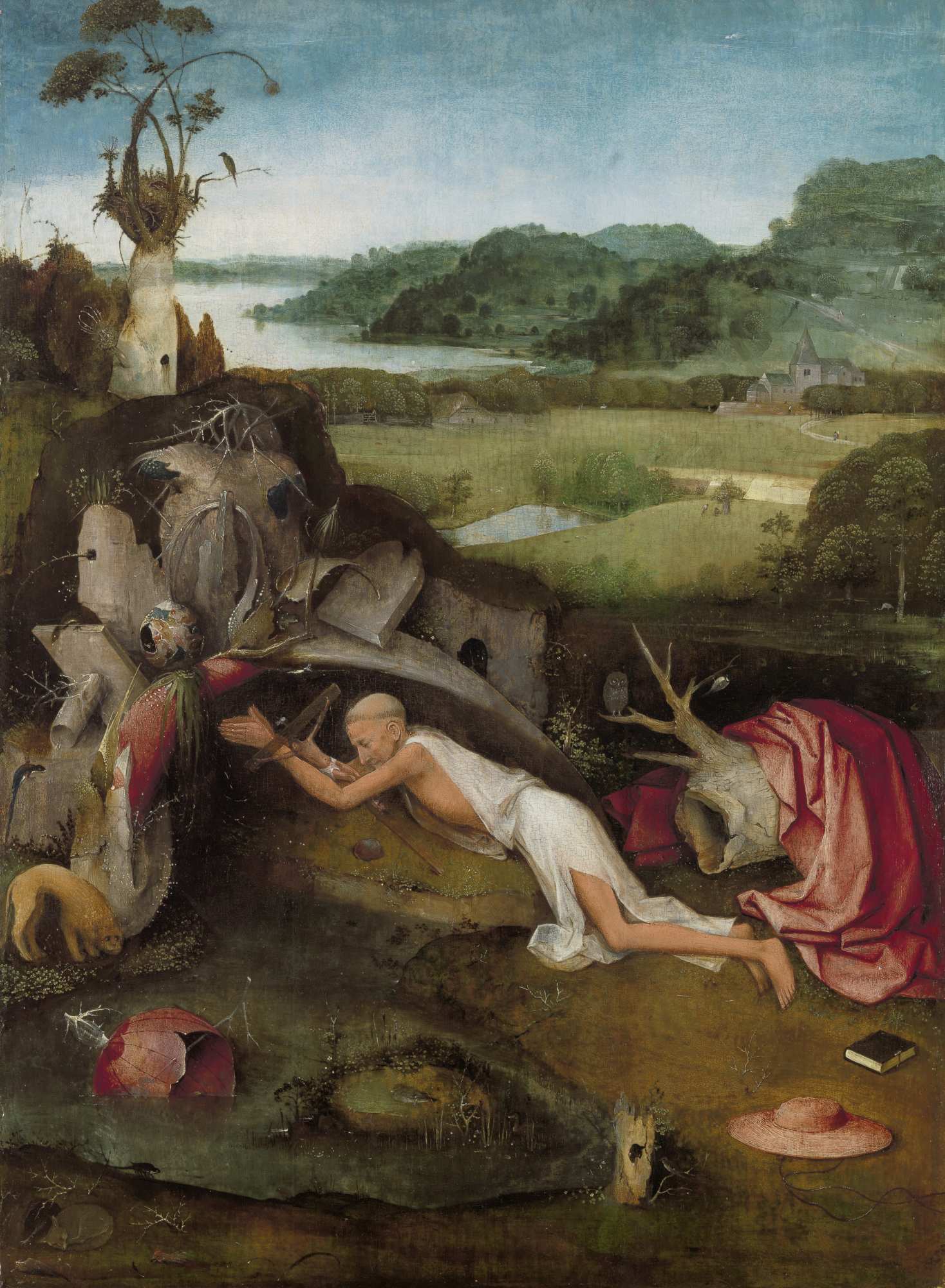
Jheronimus Bosch (1440/1460-1516), Saint Jerome, ca. 1485-1495, Museum of Fine Arts Ghent
2. MSK: In-depth visit to the exhibition ‘Unforgettable. Women Artists from Antwerp to Amsterdam, 1600-1750′
with Frederica Van Dam and Virginia Treanor
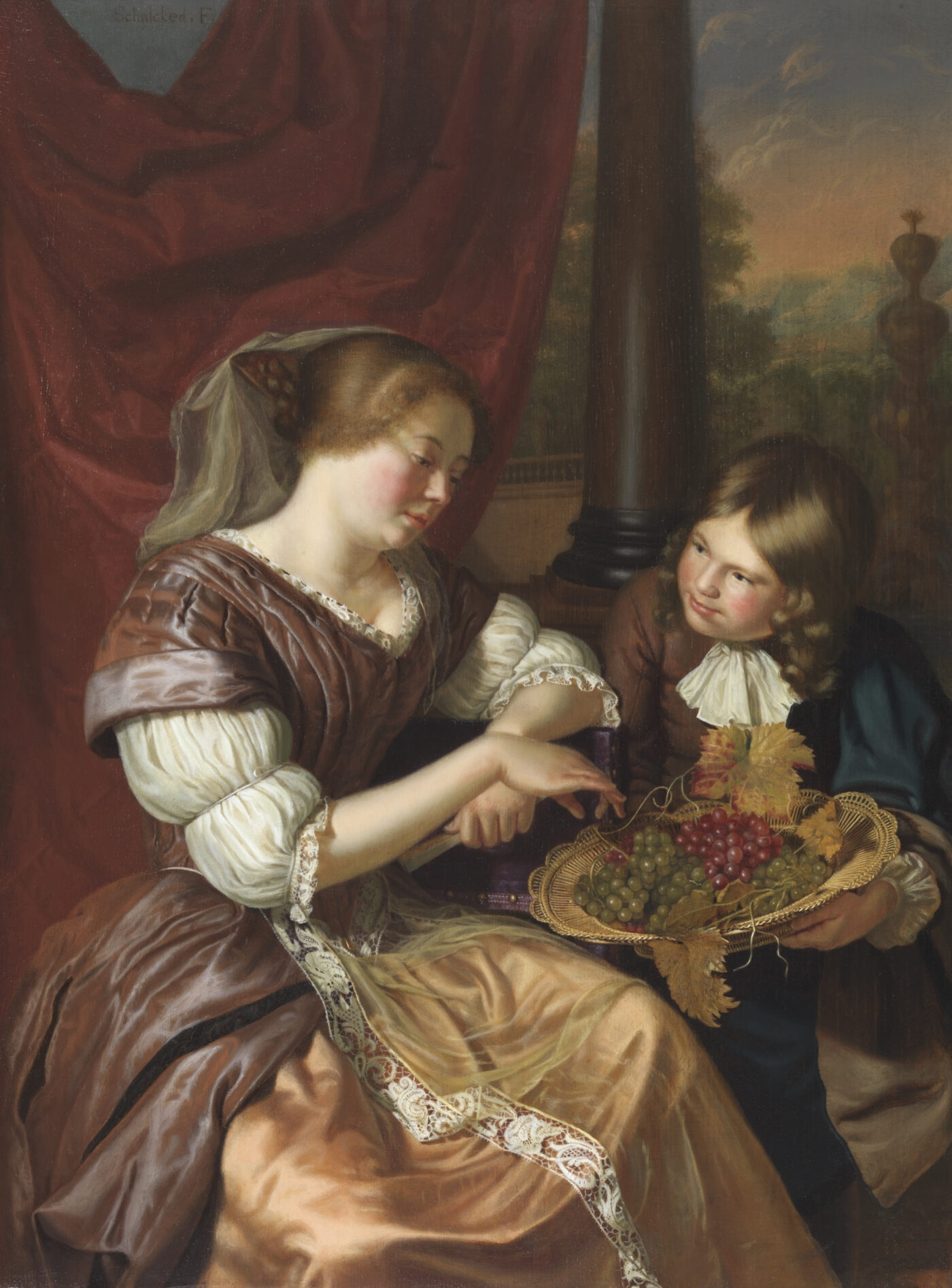
The exhibition Unforgettable: Women Artists from Antwerp to Amsterdam, 1600–1750 focuses on the crucial role of women in the artistic life of the Low Countries. For the first time, 150 works by forty-odd often overlooked female artists from this region have been placed on view together. The curator, Dr. Frederica Van Dam, take visitors on a journey dwelling on themes such as identity, tradition and ambition, social expectations, networks, value, and legacy. Basing themselves on specific examples, they illuminate the stories of artists such as Judith Leyster, Johanna Vergouwen, Johanna Koerten, Catharina Backer, and Clara Peeters, as well as individual artworks and their provenance. This tour will be led by Frederica Van Dam, Curator of Old Masters, MSK.
-
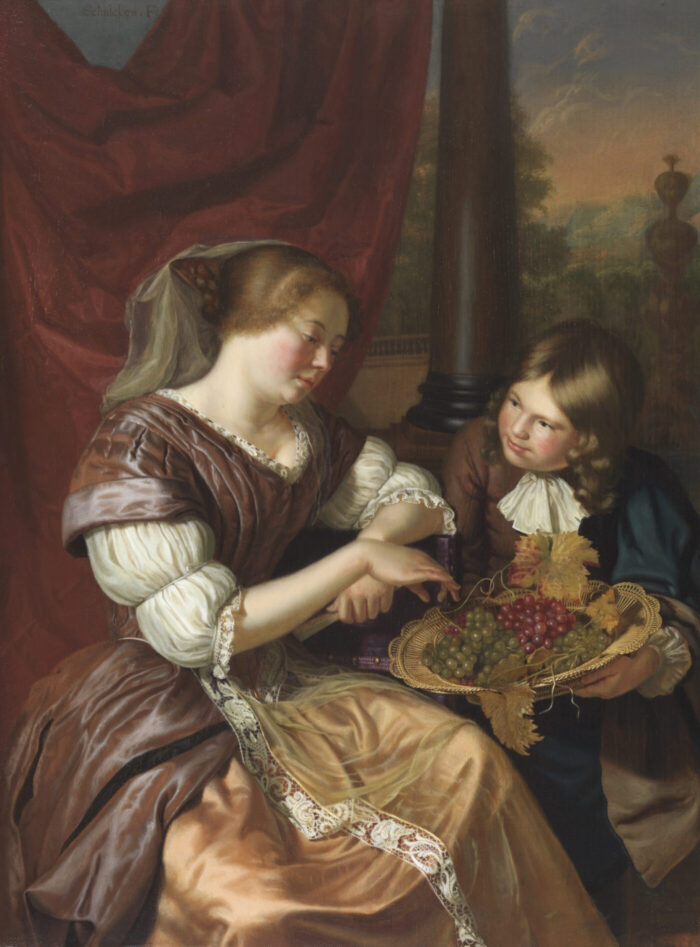
- Maria Schalken (1645-1700), Boy offering grapes to a woman, ca. 1675-85, New York, The Leiden Collection
-

- Anna Roemers Visscher (1584-1651), Berkemeyer with inscription ‘Genoech is meer als veel’, 1642, Museum für Kunst und Gewerbe, Hamburg

3. Saint Bavo’s Cathedral and the Ghent Altarpiece
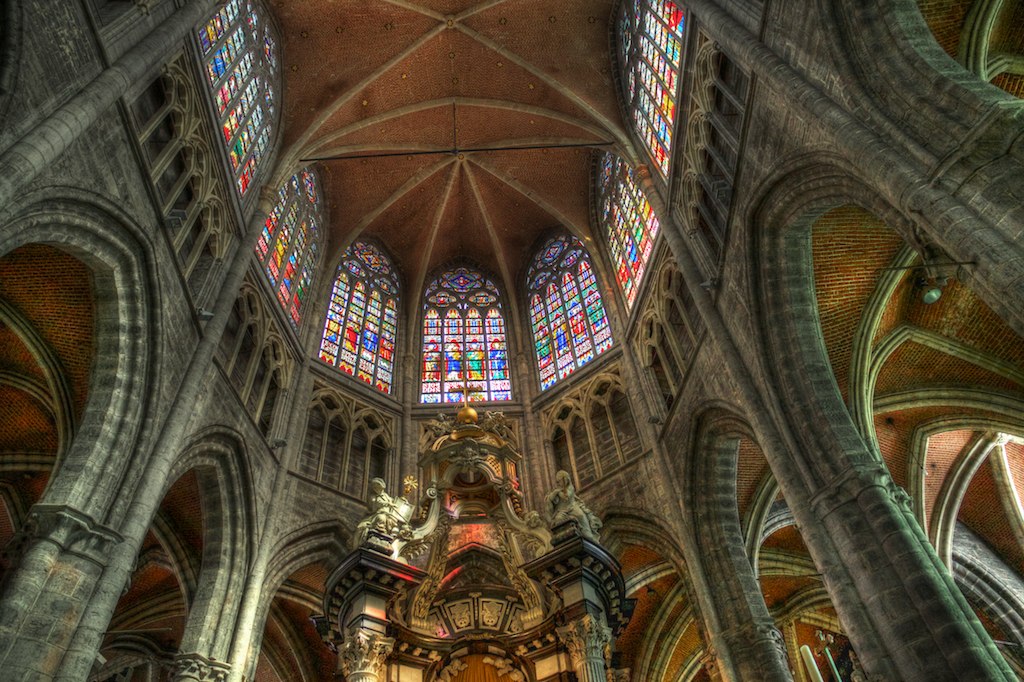
Saint Bavo’s Cathedral in Ghent, photo by Ton Nolles via Flickr, CC BY-NC-ND 2.0
4. STAM – Ghent City Museum
with Wout Devuyst
Ghent City Museum (STAM) has only existed in its present form as a city museum since 2010. However, the origins of its collection go all the way back to the founding of a Musée historique belge in 1833. The museum is housed in a former Cistercian abbey that was partly destroyed during the Iconoclastic Fury and the time of the Calvinist Republic of Ghent (1577-1584). Two wings of the medieval abbey remain, with fourteenth-century pre-Eyckian murals in the refectory. The rest of the abbey was rebuilt in the seventeenth century.
During the excursion, we will explore the permanent exhibition on the city’s history, The Story of Ghent. Highlights in this chronological display include the thirteenth-century tomb of Viscount Hugo II of Ghent, monumental brasses, the fifteenth-century battle standard of the city’s militia, silver messenger badges, a series of mark plates of the Ghent goldsmiths, the oldest painted aerial view of Ghent, and processional torches of the craft guilds dating from the seventeenth and eighteenth centuries. This tour will be led by Wout De Vuyst, Curator.

Agnes vanden Bossche (attribution), City militia’s battle standard with the Maiden of Ghent, late fifteenth century, STAM, Ghent
5. Visit to St Nicholas’ Church and St. Michael’s Church
-
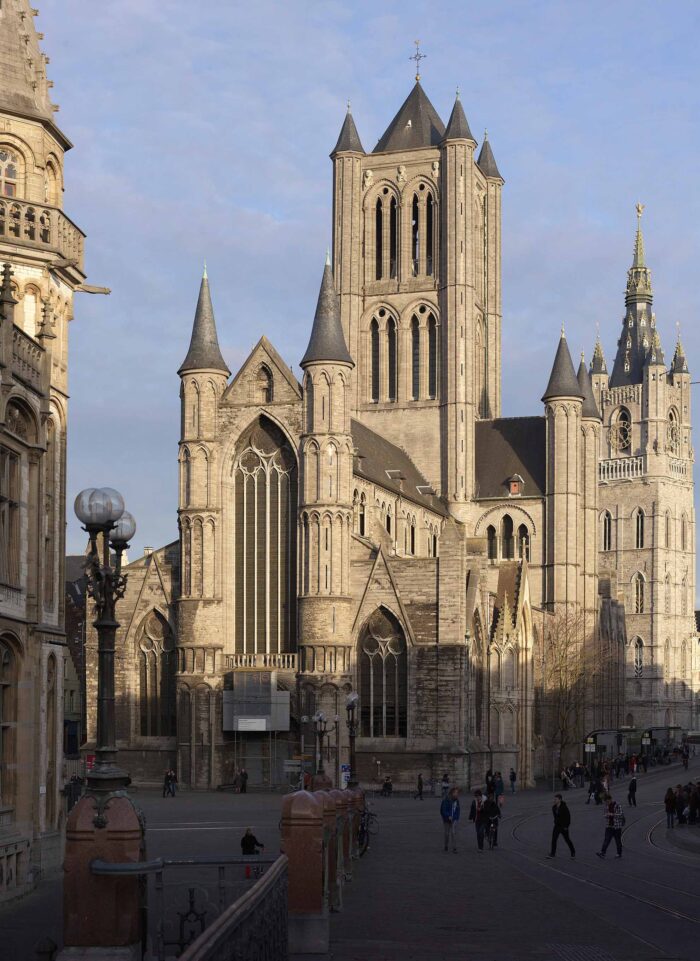
- St Nicholas’ Church, Ghent. Photo: artinflanders.be, CC0, via Wikimedia Commons

-
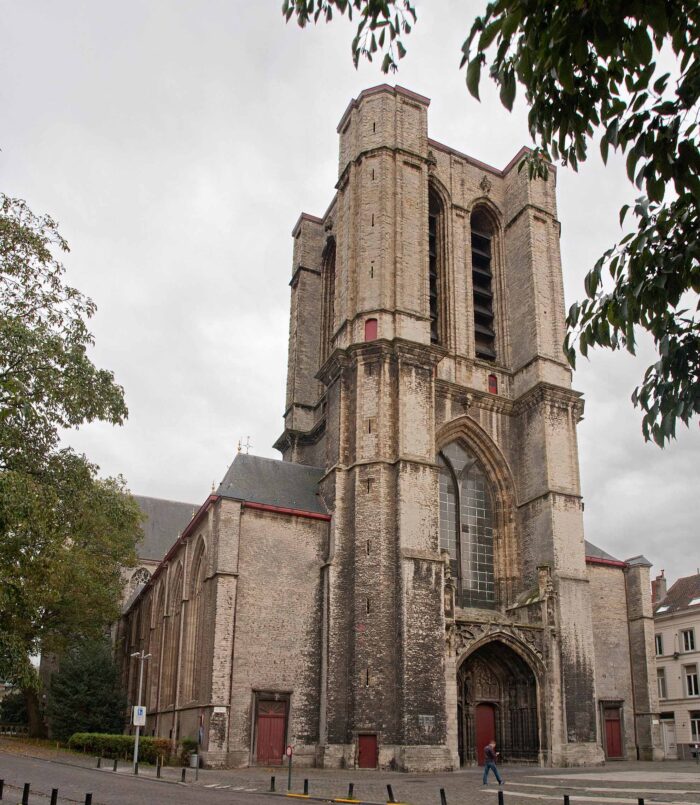
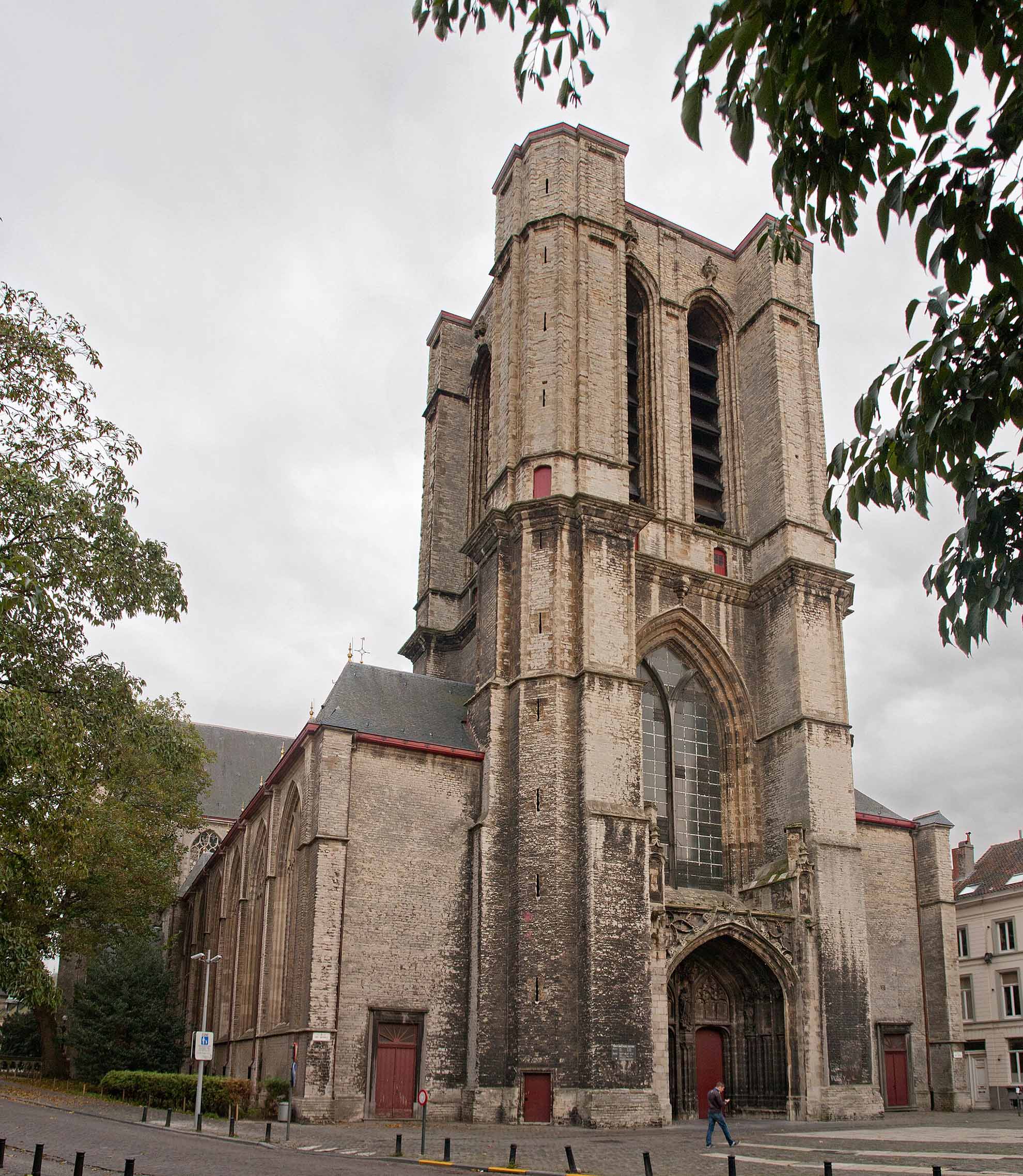
- St Michael’s Church, Ghent. Photo: Johan Bakker, CC BY-SA 3.0, via Wikimedia Commons
6. Castle of the Counts (Gravensteen)
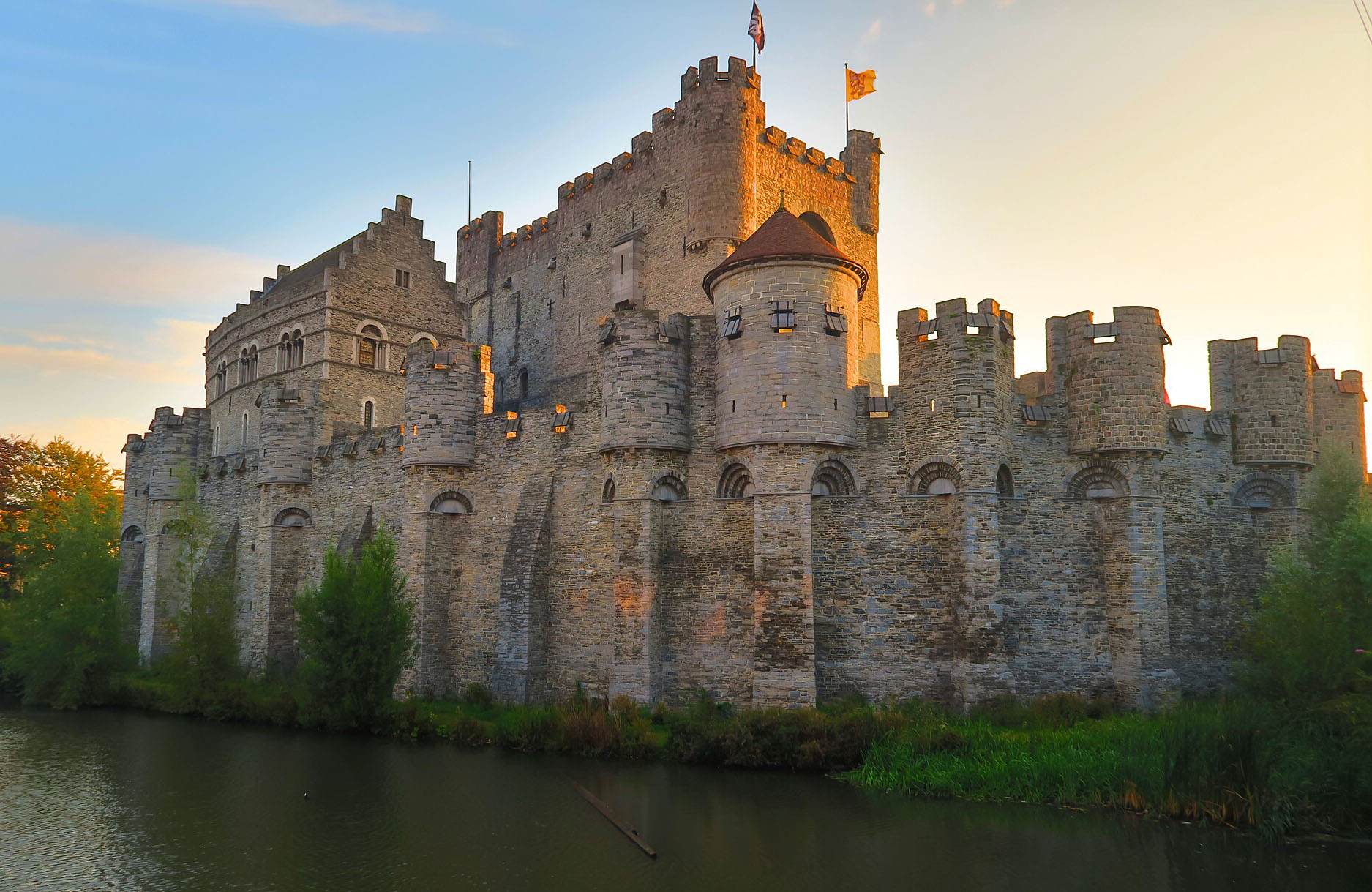
Castle of the Counts (Gravensteen), Ghent. Photo: Mattias Hill, CC BY-SA 3.0, via Wikimedia Commons
7. St. Peter’s Abbey and Our Lady of St Peter’s Church
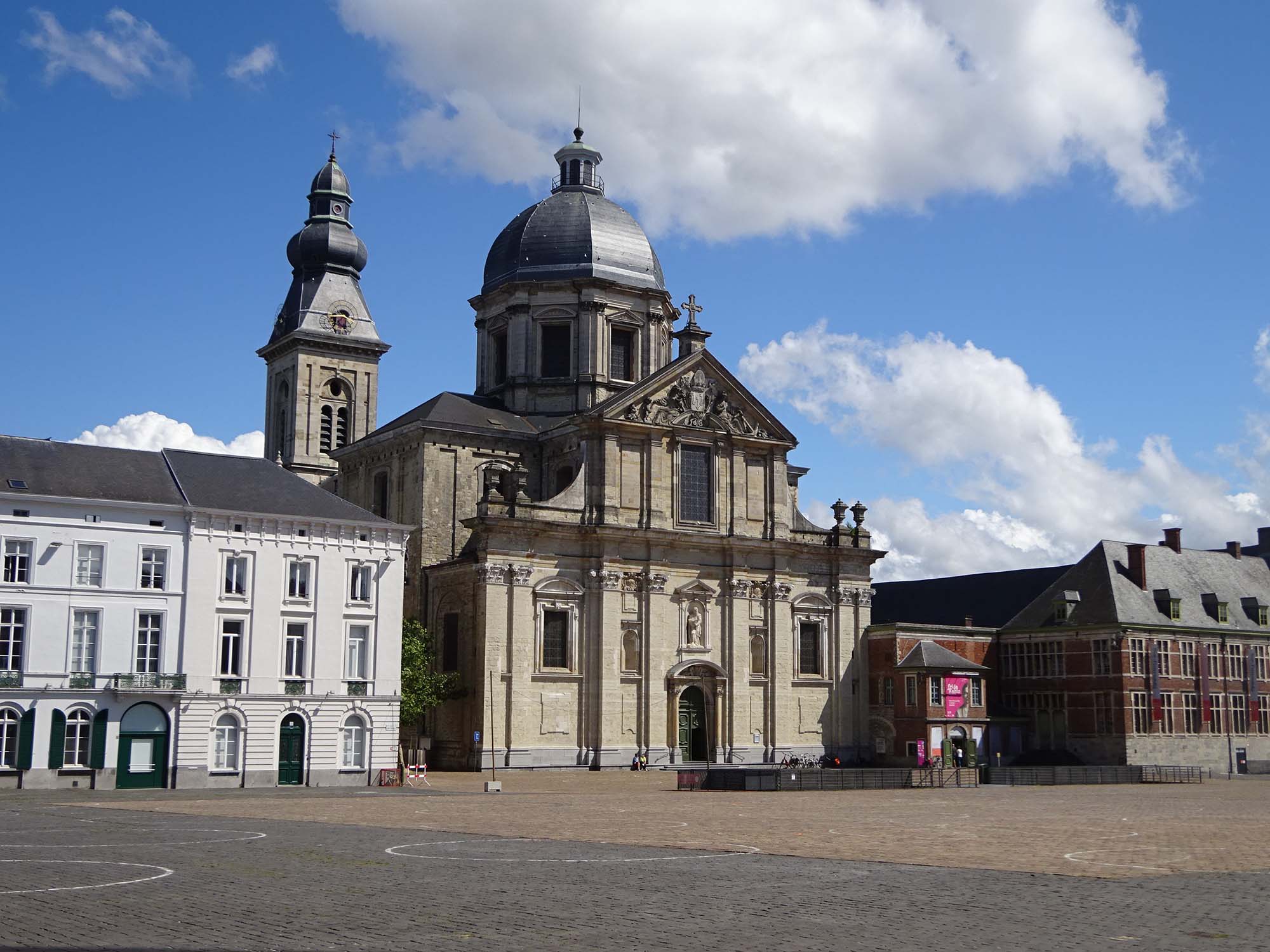
St. Peter’s Abbey, Ghent. Photo: harry_nl, CC BY-NC-SA 2.0, via Flickr