
The Moravian Gallery in Brno is the second-largest art museum in the Czech Republic. Operating across three historical exhibition buildings in the heart of Brno—the Pražák Palace, the Governor’s Palace, and the Museum of Applied Arts—the institution also oversees affiliated branches, including the Open Depo in Brno-Řečkovice, the Jurkovič House in Brno-Žabovřesky, and the Josef Hoffmann Museum in distant Brtnice. The Gallery was established in 1961 through the merger of the Picture Gallery of the Moravian Museum, founded as the Franzens Museum (named after the Austrian Emperor Francis I) in 1817, and Brno’s Moravian Museum of Applied Arts, founded in 1873 as the oldest museum of its kind in the Czech lands. Today, the Moravian Gallery is a state institution that holds over 200.000 collection items from the sphere of fine and applied arts, design and fashion, photography, and graphic design.
The History of the Fine Arts Collection
The oldest building housing Brno’s museum and its exhibition spaces, including the fine art exhibitions, is the Bishop’s Courtyard with an architectural core dating back to the Medieval era. Extensively renovated during the Renaissance to serve as the official seat of the bishops of Olomouc, the building has housed the Moravian Museum since 1818 and continues to host museum exhibitions to this day. Throughout the nineteenth century the fine art holdings within these walls expanded significantly, mostly through donations from institutions or individuals from the ranks of city burghers, the intelligentsia or the ecclesiastical and aristocratic circles.
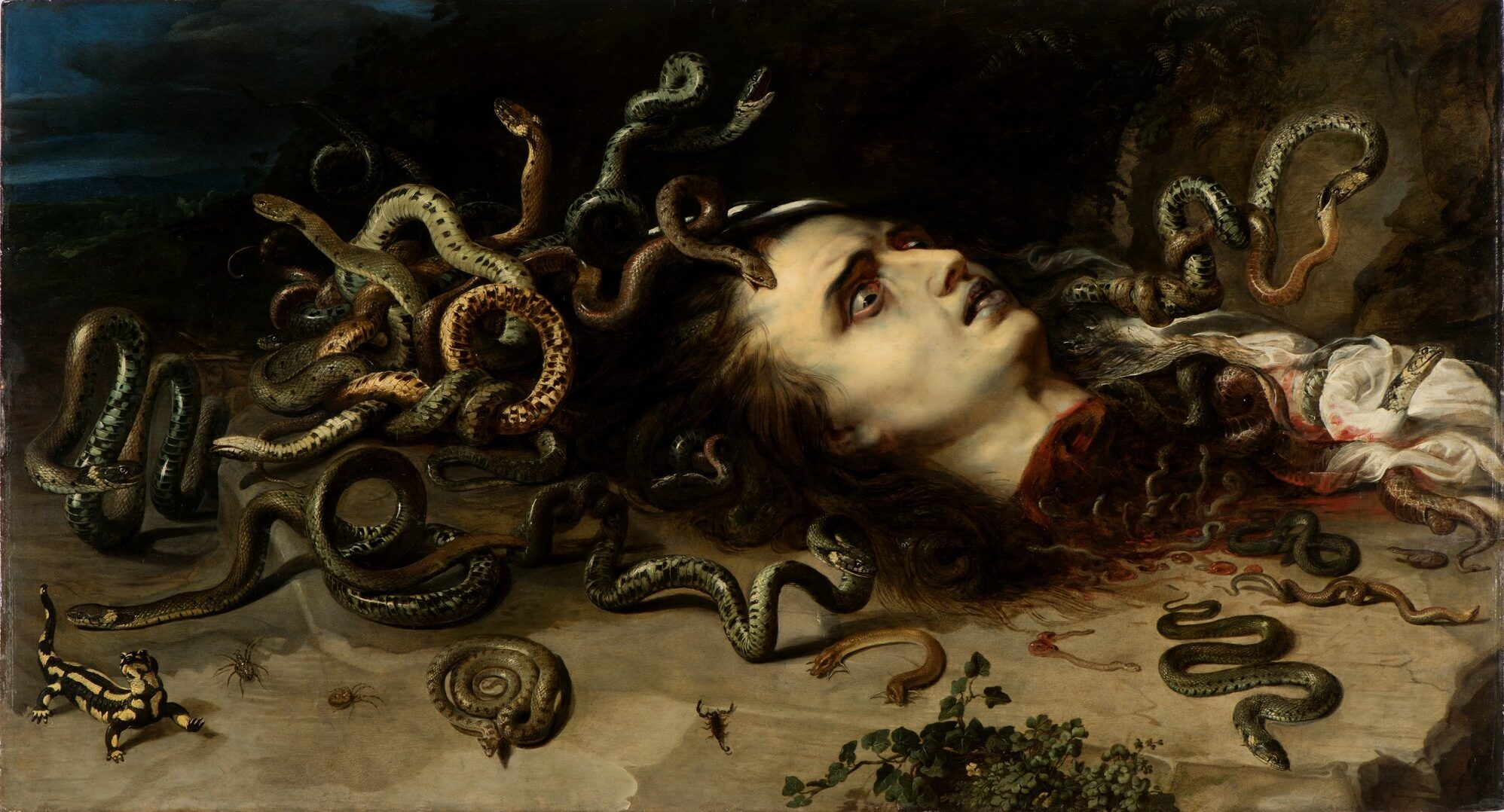
Fig. 1. Peter Paul Rubens (1577-1640), Head of Medusa, ca. 1615
Moravian Gallery, Brno
The earliest foundational pillar of the Netherlandish collection arrived almost immediately after the museum’s establishment. In 1818, Count Joseph von Nimptsch (1754–1838) presented the institution with a masterpiece: Head of Medusa by Peter Paul Rubens (fig. 1). This painting was donated shortly after the untimely passing of Nimptsch’s beloved wife, Augusta. Augusta was the daughter of Count Camillo Marcolini-Feretti, the high-profile director of the royal art collections in Dresden under the Saxon Prince-Elector and King Frederick Augustus III/I. This pedigree suggests that the Brno masterpiece may have originally formed part of the Dresden royal collections before migrating to Moravia, but conclusive evidence is lacking.
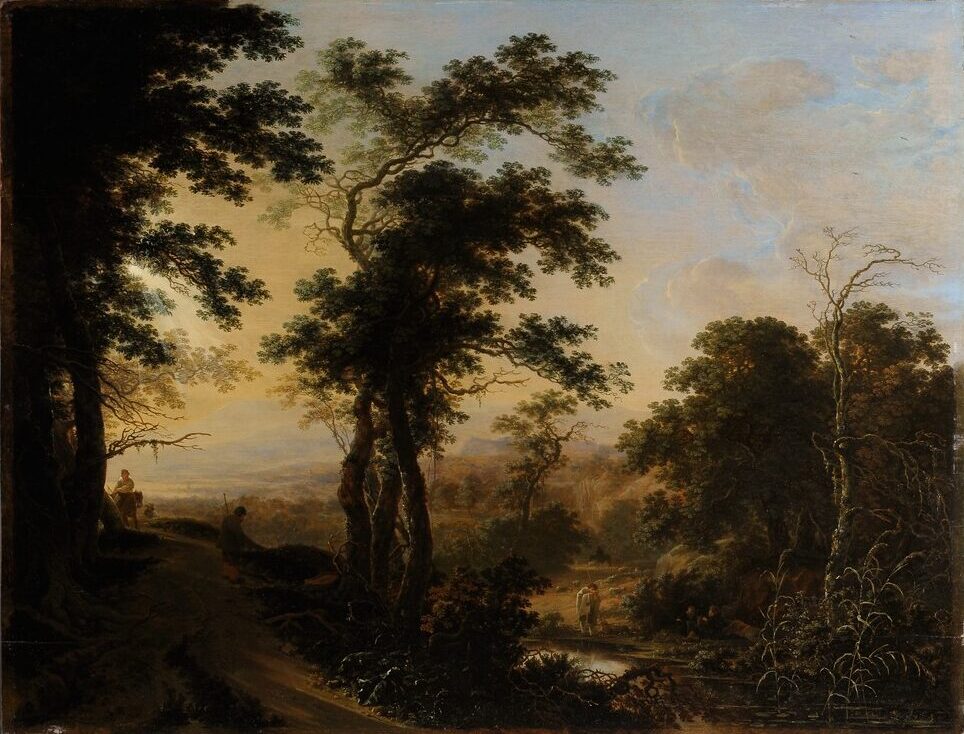
Fig. 2. Herman Saftleven (ca. 1609-1685), Landscape with Sunset, 1645
Moravian Gallery, Brno
As the century progressed, organized civic entities stepped in to supplement aristocratic donations. In 1829, local art enthusiasts established the Kunstverein für Franzensmuseum. This pioneering art society represents what was most likely the very first Kunstverein in the history of the Habsburg Monarchy, predating even its famous counterpart in Vienna. The membership fees were used to acquire fine art works for the museum collections. In 1841, for example, it secured three exceptional Dutch paintings from the highly esteemed private collection of the Viennese merchant Baron Johann Baptist Puthon (1776–1839), including Herman Saftleven’s luminous Landscape with Sunset (fig. 2).
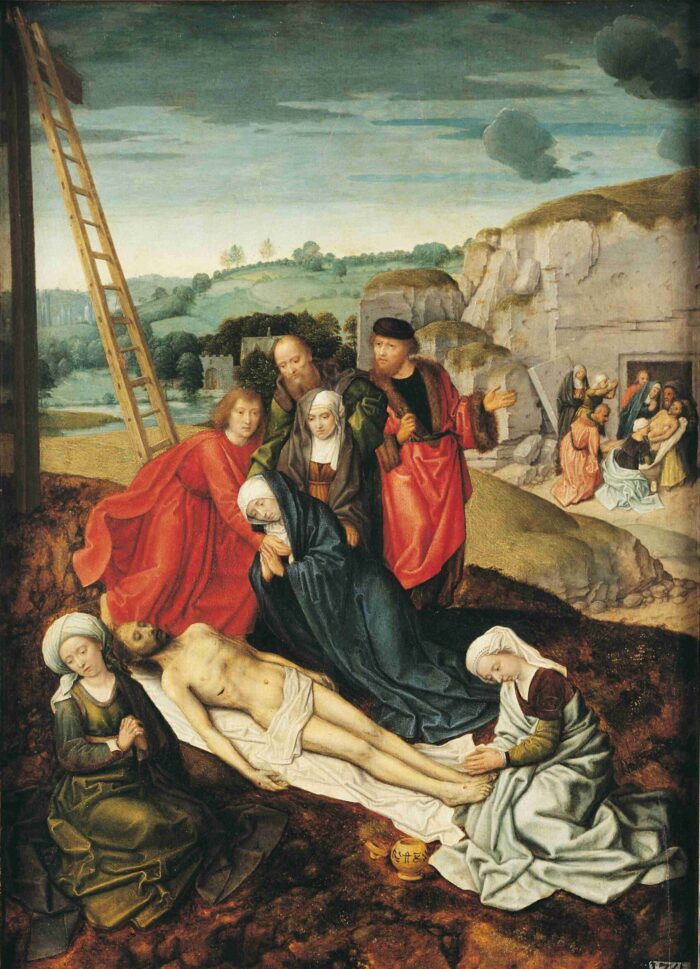
Fig. 3. Follower of Gerard David, Lamentation of Christ, ca. 1515
Moravian Gallery, Brno
Other aristocratic figures continued to enrich the museum’s holdings. Count Bedřich Silva Tarouca (1816–1881), a nobleman of distant Portuguese heritage, gifted the museum a highly representative example of early Netherlandish painting: a moving Lamentation of Christ dating to approximately 1515 that has most recently been attributed to a follower of Gerard David who lived and worked in Bruges (fig. 3).
Brno-based Collectors Heinrich Gomperz and Arnold Skutezky
The late nineteenth and early twentieth centuries saw the focus of philanthropy shift toward local industrial entrepreneurs. Foremost among them was the prominent banker Heinrich Gomperz (1843–1894). While Gomperz mostly collected contemporary nineteenth-century European art, he also acquired works by the Old Masters, such as Franciscus Carré’s Smokers in a Tavern (fig. 4). Over a remarkably brief period, he amassed a collection of over 300 paintings and 200 drawings. Most likely he assembled this vast collection with the intent of making it open to the public and he bequeathed it to the City of Brno upon his death. By the 1920s, these works were formally integrated into the public collections that now comprise the Moravian Gallery.
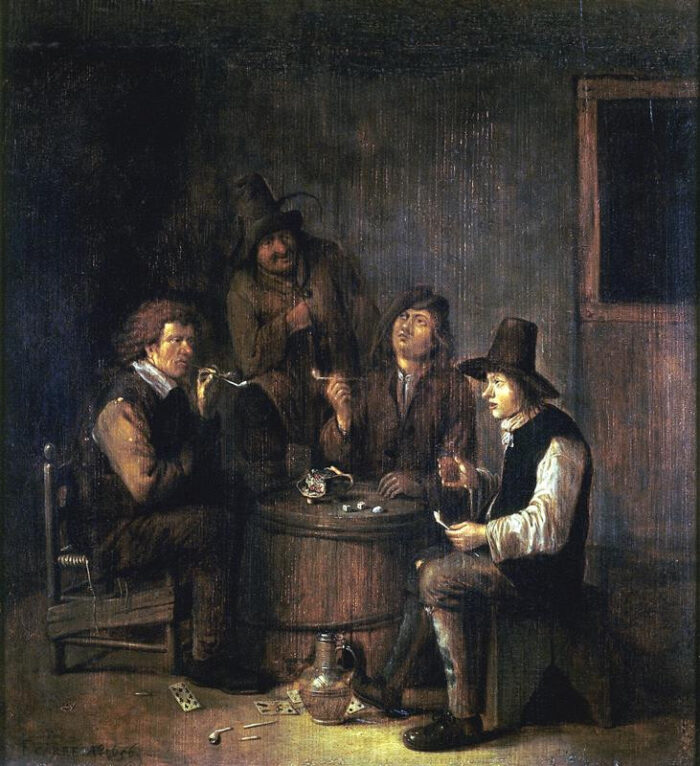
Fig. 4. Franciscus Carré (ca. 1630-1669), Smokers in the Tavern, 1656
Moravian Gallery, Brno
The absolute golden era of collection expansion occurred during the interwar period, driven by another local collector, Arnold Skutezky (1850–1936). The wealthy former owner of a major felt and headwear factory in nearby Rajhrad, Skutezky housed an unparalleled private gallery inside his chateau at Brno-Řečkovice. Following extensive negotiations, the museum purchased 91 premier paintings from Skutezky in May 1923 for the substantial sum of 750,000 Czechoslovak Crowns. Nearly half of this collection consisted of high-quality works by Dutch and Flemish masters across various centuries, such as Barent Avercamp, Ambrosius Benson, Guillam Dubois, Jan Breughel the Younger, Gillis d’Hondecoeter, Jan Baptist Lambrechts, Johannes Lingelbach, Joos de Momper the Younger, Willem de Poorter and Cornelis Leonardsz Stooter. The Merry Company by Jan Massijs (fig. 5) can be seen as the collection’s centerpiece which, according to the collectors’ own handwritten record, came from the estate of John Rushout, 2nd Baron Northwick (1770–1859).
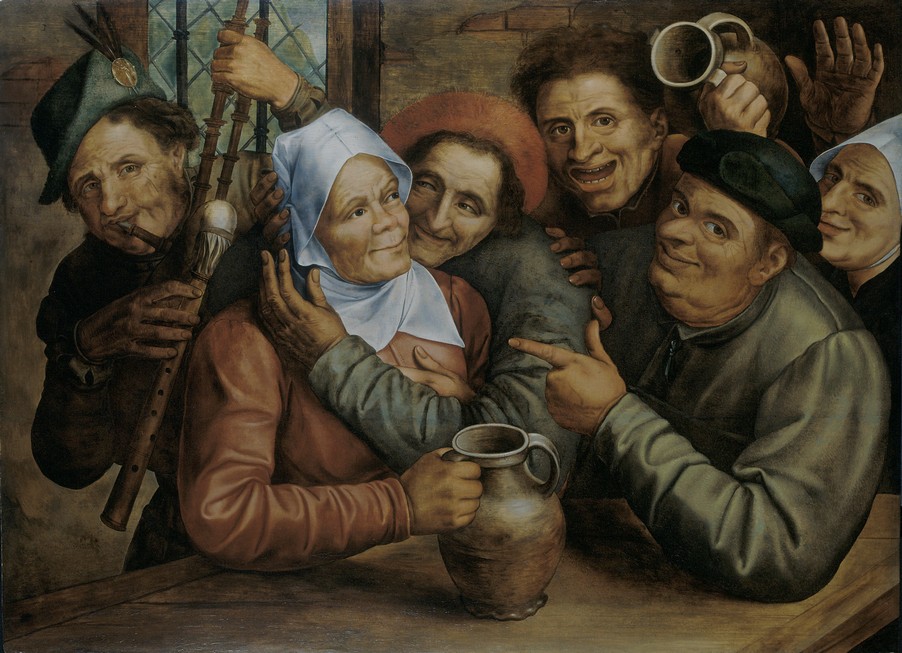
Fig. 5. Jan Massijs (1509-1575), A Merry Company, 1562
Moravian Gallery, Brno
The capital from this sale allowed Skutezky to pursue his true artistic passion: the systematic collecting of old master drawings. He bought the first of them in 1873 in Venice and between 1908–1910 he was buying at the pace of nearly one hundred drawings a year at auctions in Vienna, Germany, and the Netherlands. He even acquired some from the discontinued funds of the Albertina Museum and directly from other, similarly focused collectors. He significantly focused on the works of Dutch and Flemish artists, perhaps best represented by the two remarkable drawings by Maarten van Heemskerck from 1564 (fig. 6). He logged his acquisitions in a notebook that has been preserved as a precious document of Skutezky’s collection activities, making use not only of his own rich art-historical library but also of the advice of foremost Central European experts on early drawing. In 1910 he shared his collection with the public for the first time in an exhibition in Brno’s Moravian Museum of Applied Arts. Following Skutezky’s death in 1936, the museum purchased his remaining estate, absorbing a staggering 994 drawings, 22 additional paintings, and 750 commemorative medals into its permanent inventory.
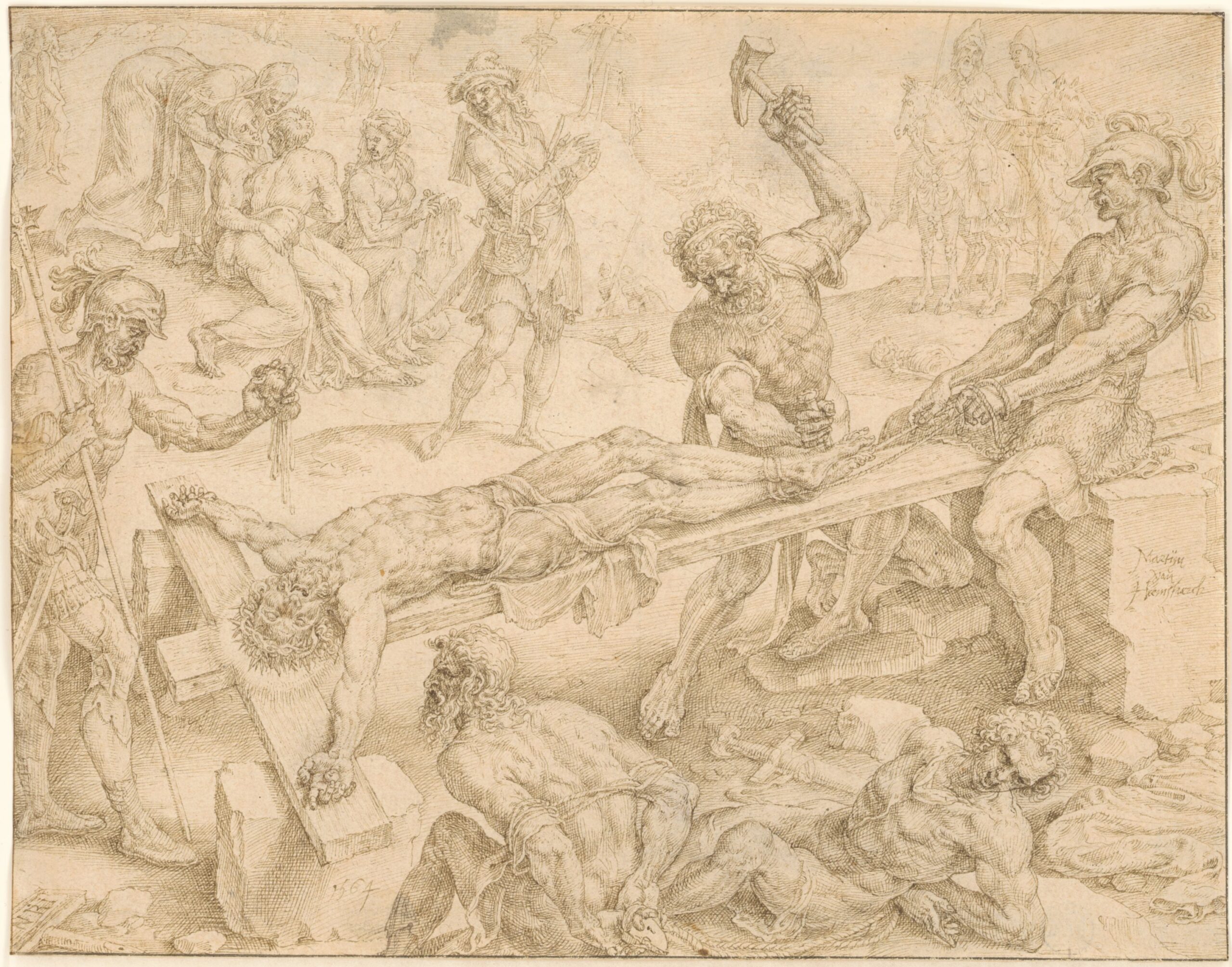
Fig. 6. Maarten van Heemskerck (1498-1574), Christ Nailed to the Cross, 1564
Moravian Gallery, Brno
From the Second World War Until the Present Day
The mid-twentieth century brought a more complex chapter to the provenance history of the collection. Following the conclusion of the Second World War in 1945, the museum’s holdings expanded significantly through state-mandated transfers of so-called enemy property – i.e. property that had been owned by persons of German or Hungarian nationality or by companies that worked against the interests of Czechoslovakia during the Nazi occupation. These were confiscated on the basis of laws enacted by President Edvard Beneš (i.e. the so-called “Beneš Decrees”). The Beneš Decrees were never repealed and are therefore still valid legislation.1 The nationalization of personal property and church property also continued in waves after the Communist putsch of 1948. In this manner (and by other means) the Moravian Gallery acquired further works of art by Dutch artists, mostly works by minor masters such as Bartholomeus van Bassen, Jan Boeckhorst, Bernaert de Bridt, Nicolaes de Bruyn, Benjamin Gerritsz Cuyp, Willem van Diest, Cornelis Droochsloot, Jan Fyt, Jan van Kessel, Bartholomeus Molenaer, Anthonie Palamedesz, Godfried Schalcken, Willem Schellinks, Pieter Schoubroeck, Andries Snellinck, Jan Wijnants, Philips Wouwerman, and others.
The presentation of the Dutch and Flemish collection to the public is currently in a state of transition. Due to the ongoing renovations of the Moravian Gallery’s Governor’s Palace, this segment is currently underrepresented in the Gallery’s expos. The last time Dutch painting has been given a greater degree of attention was as part of the Moravian Picture Gallery (1817–1961): Paintings / Sculptures / Discoveries / Stories exhibition and publication project that took place in late 2022 and early 2023. This exhibition re-examined the historical trajectory of the museum’s older art holdings, and allowed us to display the finest Dutch and Flemish works to the public and to contextualize how these masterpieces arrived in Brno.
The academic study of the Netherlandish collection at the Moravian Gallery has been propelled forward over the last several decades by a succession of dedicated specialized curators. Professor Jiří Kroupa provided foundational work cataloging the vast collections of Dutch and Flemish drawings, while curator Kaliopi Chamonikola spent years contextualizing the gallery’s rare medieval imports. In more recent years, the responsibility for the painting collection fell to art historian Zora Wörgötter. An active member of the CODART network, Wörgötter focused her immense energy on standardizing the attributions of the museum’s early art holdings. Unfortunately she passed away prematurely before she could realize her career-defining goal: the publication of a definitive, modern, comprehensive collection catalogue dedicated exclusively to Brno’s Old Dutch Masters. Today, completing this unfinished catalogue remains a long-term goal for the institution.
Dr. Petr Tomášek is the Curator of Early Art and Nineteenth-Century Art Collections (Painting and Sculpture) at the Moravian Gallery in Brno.
1 For more information about the Beneš decrees, see this Wikipedia page, and this page of the Czech government website.